• Skip to secondary menu
  • Skip to main content
  • Skip to primary sidebar

Putting The Pretty In Preschool

Finding Beauty In Everyday Early Childhood Experiences

  • Home
  • About Me
  • Gingerbread Theme
  • Christmas
  • Winter
  • Chinese New Year
  • Blog
  • Contact Me
  • SHOP

science

Flower Theme Activities
November 8, 2020 by Annette Kaminsky Leave a Comment

Tweet
Share
Share
Pin
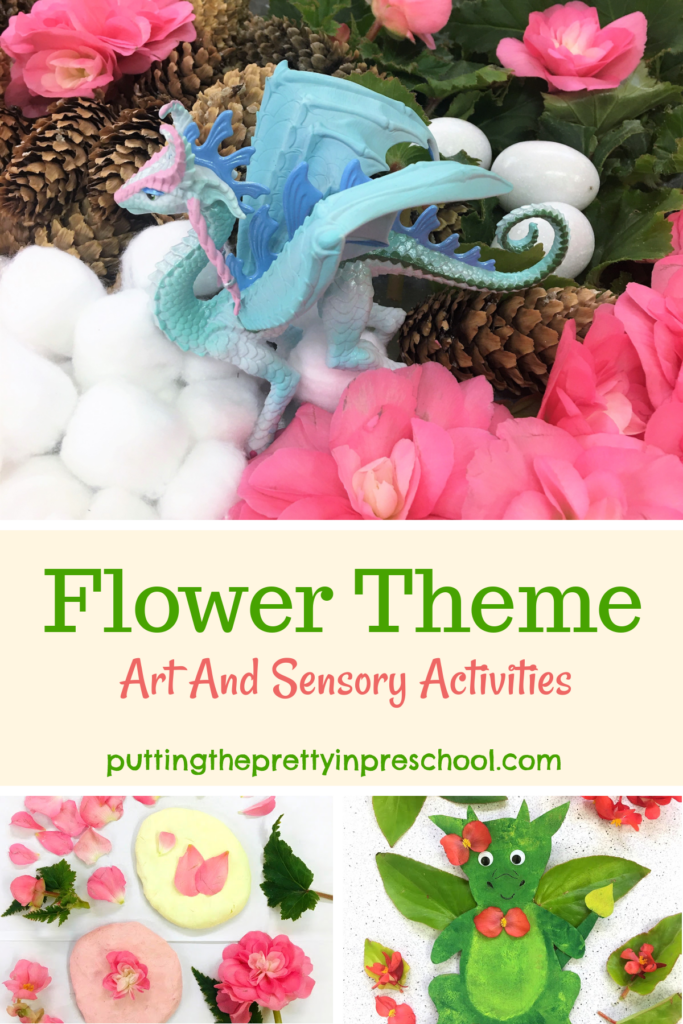
Flower theme art, sensory, and pretend play activities. Early learners will love the winged creatures (dragons, unicorns, and an angel) featured in the theme.

_______

Last spring I picked up two voluminous begonia plants that had large wing-shaped leaves. One plant was called “dragon wing begonia,” and the other was a double pink-flowered variety with similar wing-like leaves. The vigorous plants inspired dragon and flower theme activities for early learners, and angel and unicorn play.

_______

Nonstop Pink Begonia Flower Activities
_______

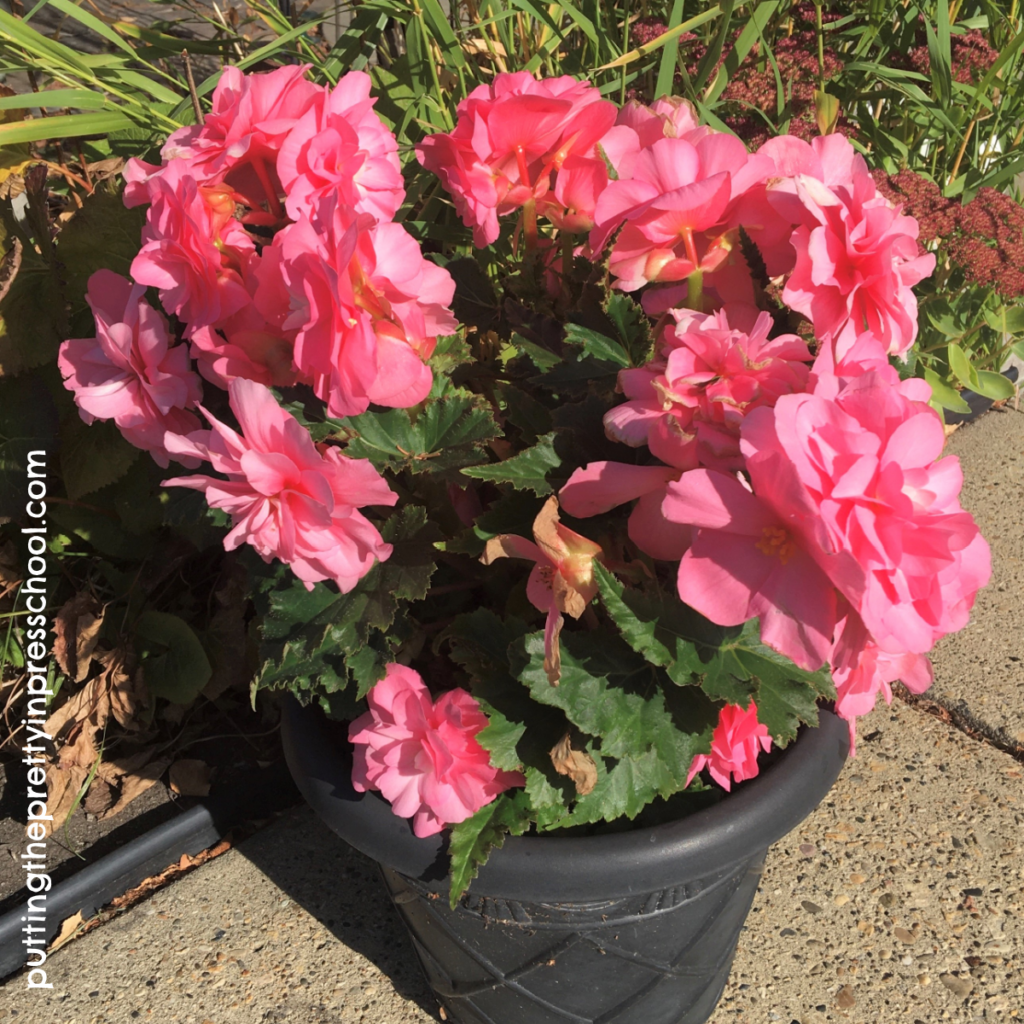
Nonstop pink begonia still blooming after Canadian Thanksgiving Day.
Nonstop Pink Begonia

_______

Begonia “Through The Seasons” Sensory Tray

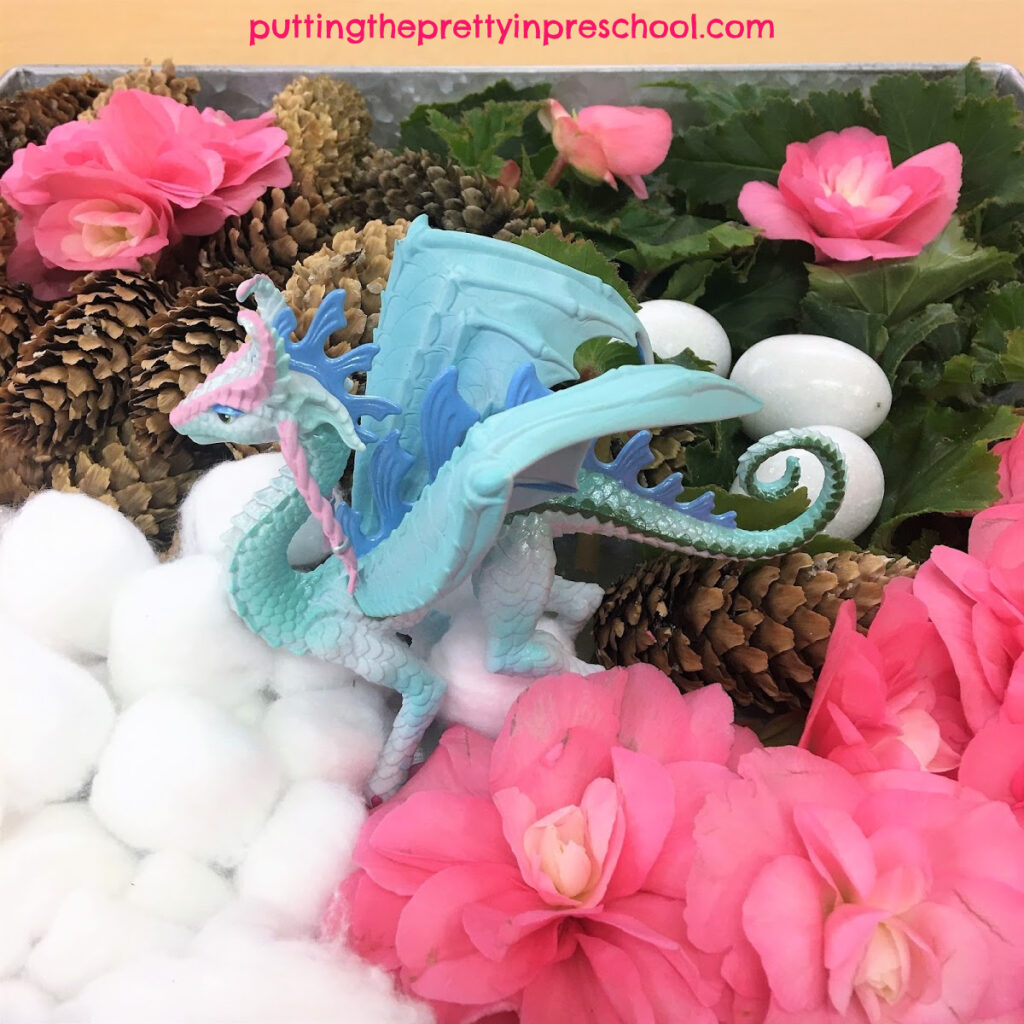
Around Canadian Thanksgiving Day, the nonstop pink begonia was still blooming profusely. At the same time collecting pine cones was on my list of tasks to do. By the end of the week, snow was in the forecast. Our area didn’t get snow, but many places in our province did. The mingling of elements of summer, fall, and winter in that week was the inspiration for this sensory tray for little learners. Included are flower leaves and blooms, pine cones, and cotton ball snow. Rocks, stone eggs, and a show-stopping dragon round out the tray.

Three seasons sensory tub with pine cones, begonia leaves and flowers, and cotton ball snow. A dragon and stone eggs complete the tub

_______

Flower Angel

Puffy begonia flowers and leaves arranged in an angel craft are a pretty way to highlight the blooms of the plant. The angel can be a table decoration and conversation piece during snack or lunchtime.

Nonstop pink begonia still blooming after Canadian Thanksgiving Day.

_______

Flower angel made with nonstop pink begonia blooms.

_______

Mud Kitchen Sensory Table

A piece of cardboard with stove elements drawn on with a black permanent felt pen and crayon works magnificently for flower-themed “indoor mud kitchen” play. Set it out on a table with flowers, leaves, spoons, and a mortar and pestle. Or offer the blooms and accessories outdoors for kitchen play.

Flower-themed indoor mud kitchen. Nonstop pink begonia leaves and flowers, mortar and pestle, pots and pans, and a cardboard stove top complete the play invitation.
Cardboard Stove Top

_______

Flower Petals And Playdough

Offer the leaves and flower petals with scented playdough for your little ones to use.

Coconut and strawberry playdough with nonstop pink begonia leaves and flower petals.

_______

Unicorn Water Play

Float begonia leaves and flowers in turquoise colored water in a tub filled with rubber unicorns and pink and white loose parts. The items in this inviting sensory tub are:

  • begonia leaves and flowers
  • ice cube flowers and fish
  • shells
  • pearl gems
  • buttons
  • rubber unicorns
Unicorn and nonstop pink begonia sensory tub. Gem pearls, fish and flower ice cubes, shells, and buttons are part of the water tub.

_______

Related: Sunflower Unicorn

_______

Dragon Wing Begonia Flower Activities
Dragon wing begonia plant.
Dragon Wing Begonia

_______

When I saw the plant named “dragon wing begonia,” I knew it was destined for early childhood play. Here are two inviting activities this plant can shine in.
_______

Castle-Themed Sensory Tray

Begonia leaves and flowers, rocks, and stone eggs are included in this flower-inspired tray for little ones. A dragon, king, and princess figurine offer serious play potential in the tray.

Castle-themed sensory bin with a dragon, king, princess, and dragon wing begonia leaves and flowers.

_______

Cardboard Dragon Craft

Dragon wing begonia leaves are the wings in this painted cardboard dragon craft. Flowers accent the mythical creature.

Cardboard dragon with dragon wing begonia wings and flower accents.

_______

Note: 

Begonia plants are not poisonous to people. But the plants are toxic to dogs and cats and should be kept in pots out of their reach.

Children require supervision while participating in the activities shown in this post. When play is finished, they should wash their hands with soap and water.
_______

These flower theme activities work well when frost threatens and the growing season is over. They allow early learners to explore the low-maintenance, show-stopping plants with loose parts in art and sensory play.
_______

[Read more…] about Flower Theme Activities
Tweet
Share
Share
Pin

Filed Under: art, dramatic play, gardening, playdough, preschool, pretend play, science, sensory Tagged With: dragons, flowers, sensory bin, sensory play, unicorns

Celery Science Experiment

October 14, 2020 by Annette Kaminsky 2 Comments

Tweet
Share
Share
Pin
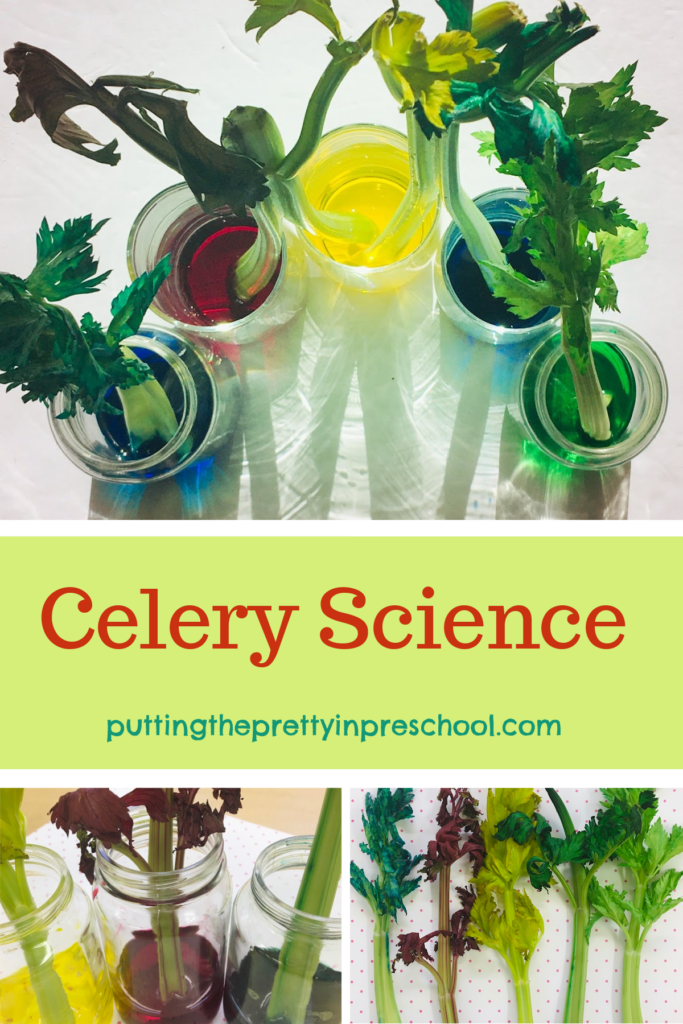
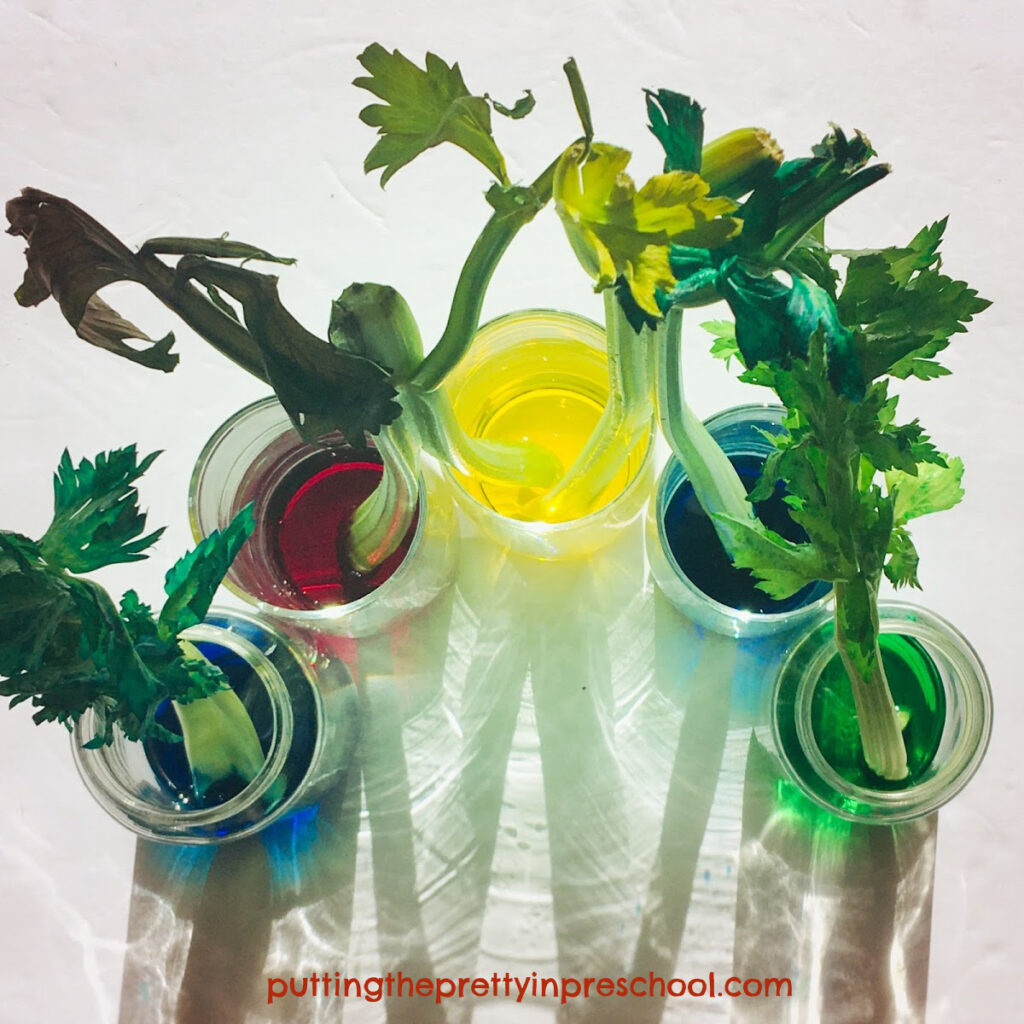
Celery and food coloring science experiment.

_______

This classic and colorful celery science experiment is easy to do and has quick results. It works well as a “color-changing celery tree” activity in autumn but is awesome to perform at any time of the year. Your early learner will be thrilled with the speedy and dramatic results of the experiment.

_______

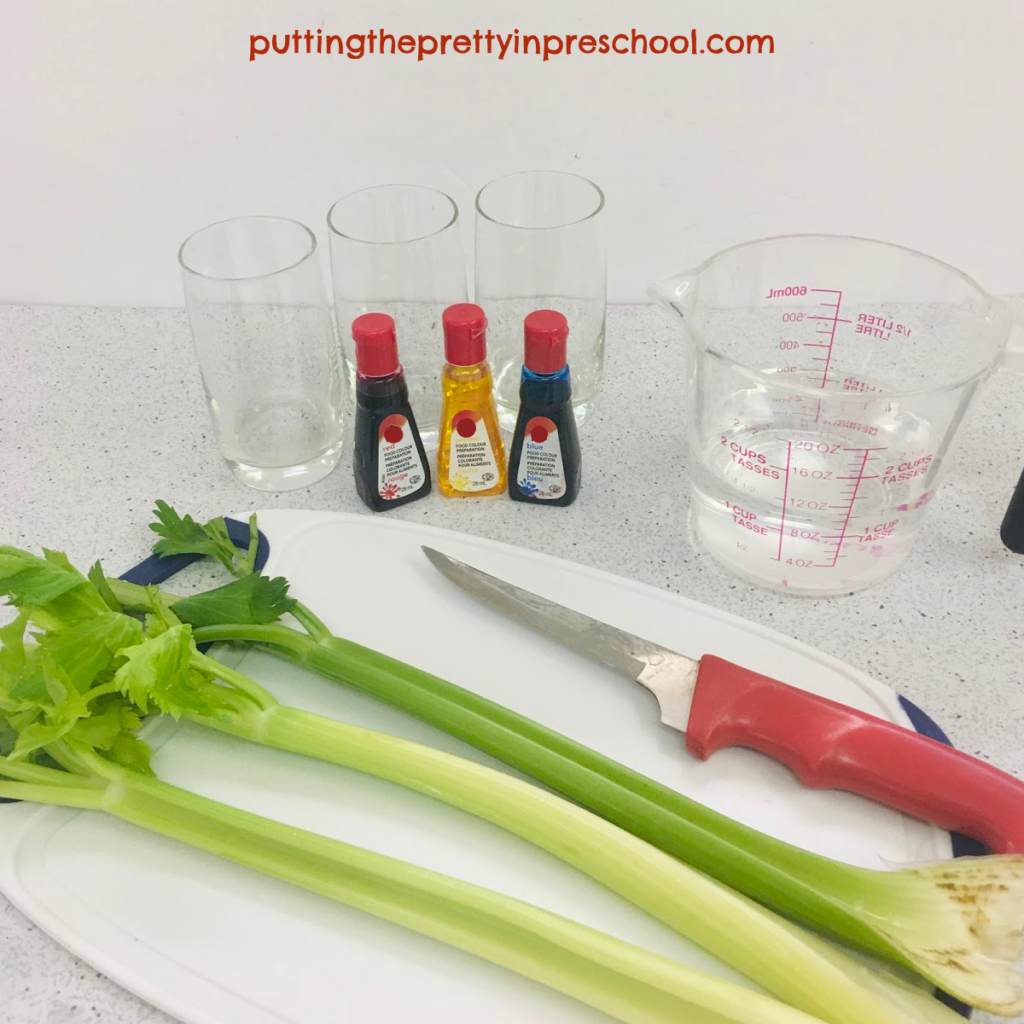
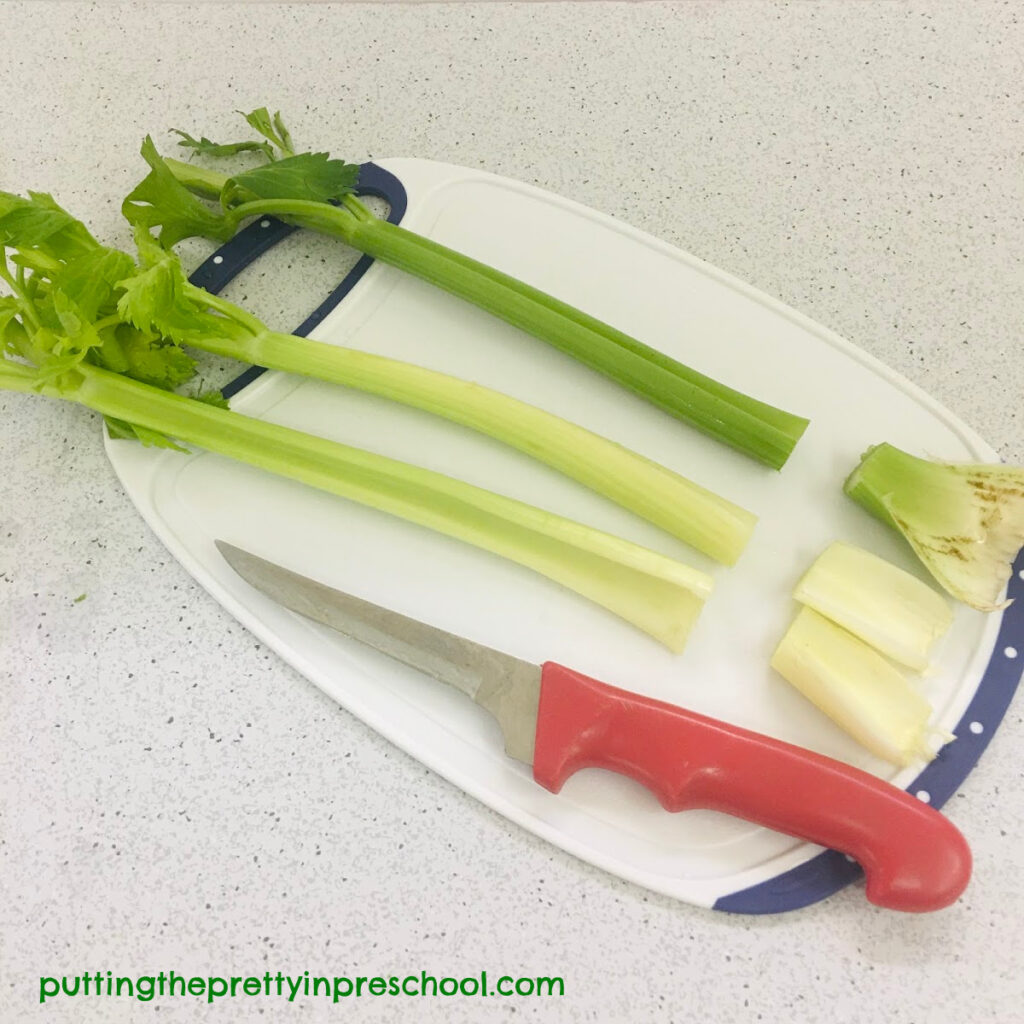
Supplies To Collect

  • leafy celery stalks
  • glasses or jars
  • food coloring hues
  • pitcher with water
  • knife
  • cutting board
Celery and food coloring experiment supplies.

_______

Procedure

Cut the bottoms from celery stalks.

Invite your early learner to generously squirt food coloring hues into glasses or jars, and add about 4 centimeters of water to each one.

Have your child place a celery stalk in each container, and use it to stir the liquids.  

Set the jars or glasses with celery on a table or windowsill.

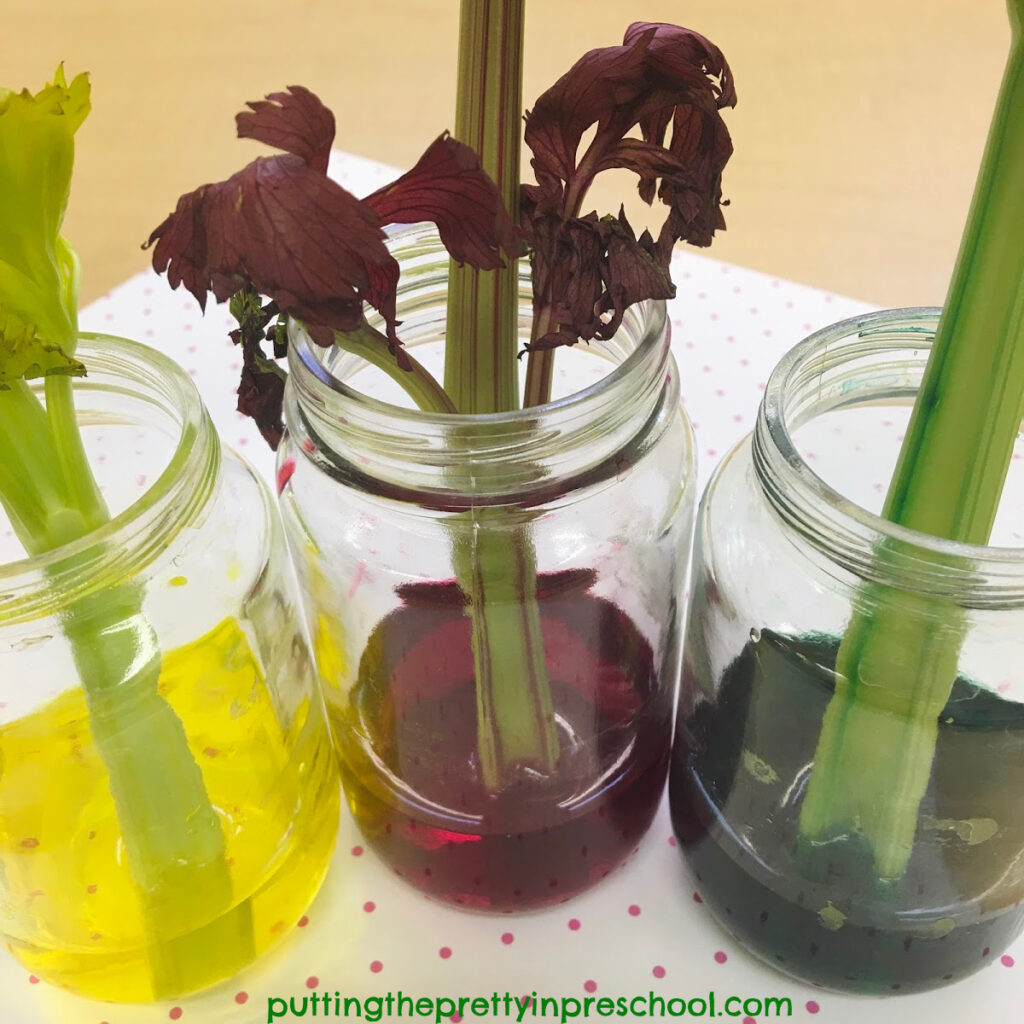
Celery xylem are clearly visible in this closeup photo.

_______

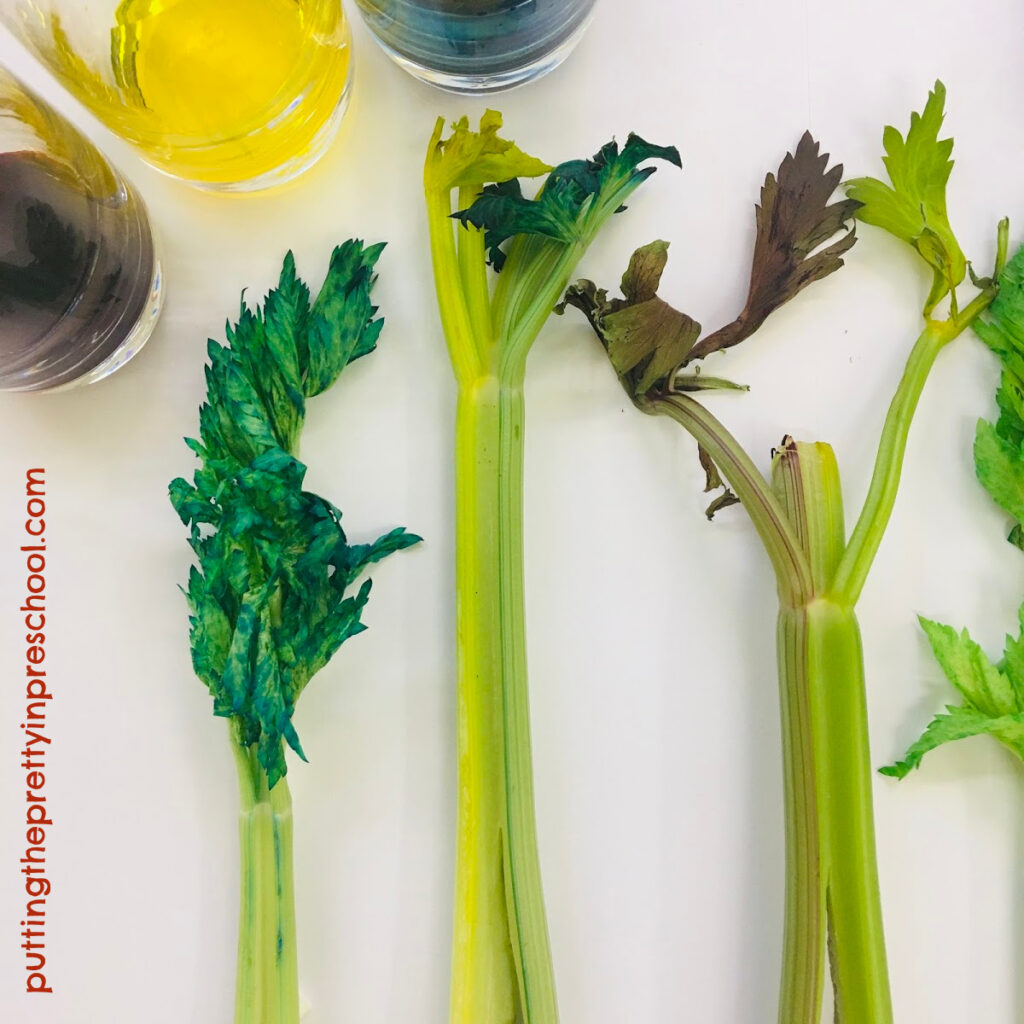
Invite your little learner to look at the celery after a couple of hours. There will be a noticeable change in celery stalk and leaf colors.

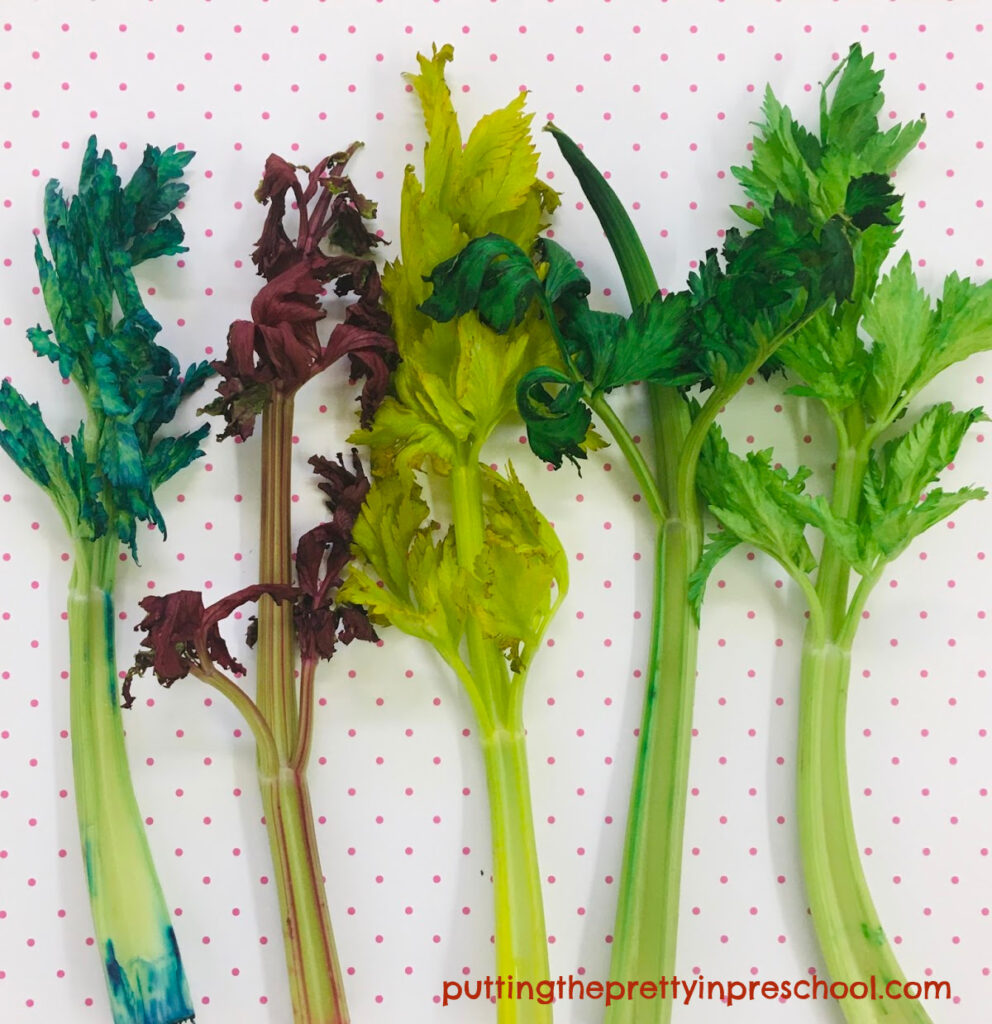
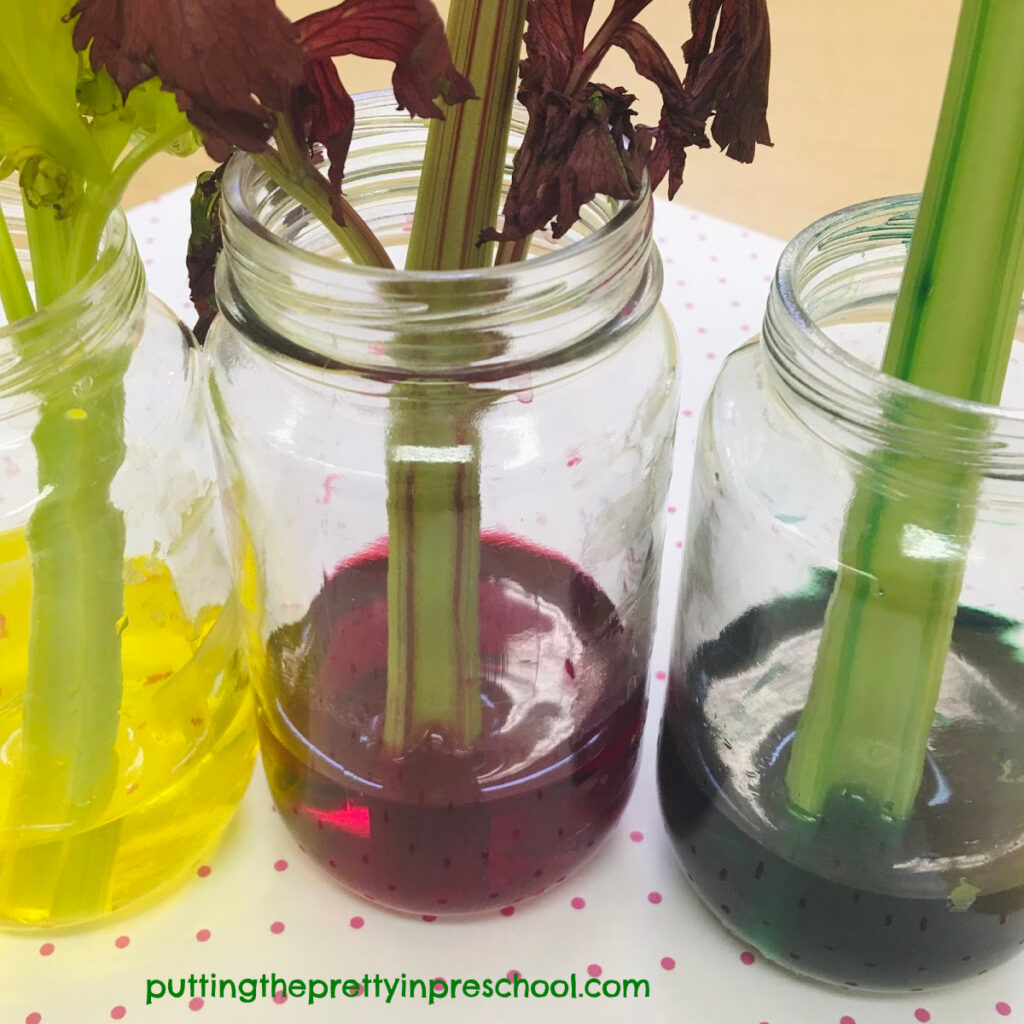
Observe the celery with your child the following day. The leaves will be a darker shade of the water hue their stalk was set in than the day before. Colored lines running from the bottom of the stalks to the leaf tips will be clearly visible.

Add a little more water to each container if needed. Study the celery together a day or two later. The leaves and lines on the stalks will be a deeper color still.

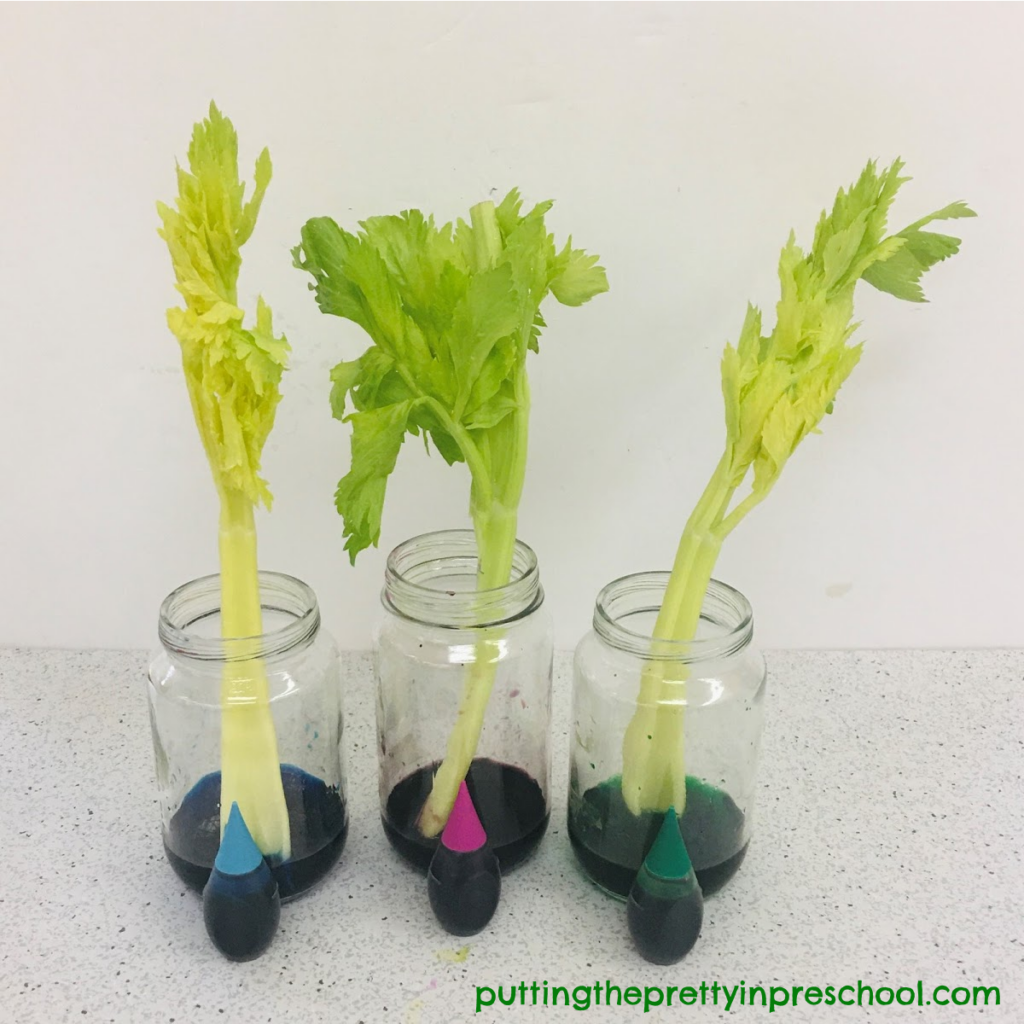
Try the experiment with other food coloring hues. The leafy inner stalks below are dipped in turquoise, purple, and green-colored water.

Celery and food coloring experiment using turquoise, fuschia, and green colored water.

_______

Admire the transformed celery.

Color change in celery as a result of adding food coloring to the water.

_______

Variation Of The Celery Science Experiment

Cut off the ends of celery stalks, and split the bottom half of the stalks into two parts.

Celery stalks with ends cut off.

_______

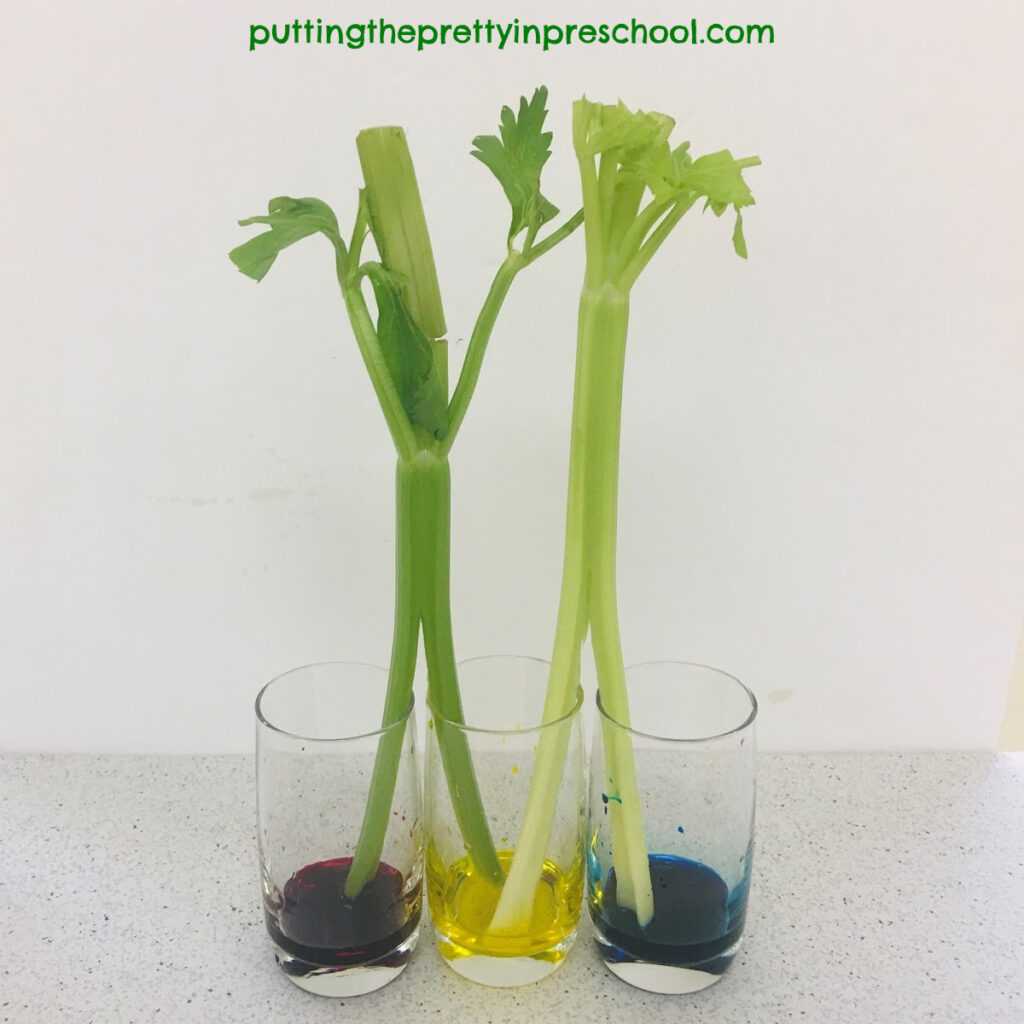
Invite your child to squirt blue, yellow, and red food coloring into glasses or jars, and mix each hue with a bit of water.

Carefully place a section of one split celery stalk in red water, and the other in yellow. Put the bottom halves of another split celery stalk into yellow and blue water.

Celery stalks placed in two different jars of colored water.

_______

Observe the celery with your little one after a couple of hours, the next day, and two days later.

You will see colored lines that extend from the bottoms of the celery stalks to the leaves. Each stalk will have lines and leaves in two different colors.

Color change in celery as a result of adding food coloring to the water.

_______

The Science Behind The Celery Color Change Experiment

Celery stalks lose water through their leaves. More water gets pulled up from their roots to thirsty leaf tips through a network of hollow tubes called xylem.

The normally invisible process of water transport becomes visible when water accessible to celery stalks is colored.

Color change in celery as a result of adding food coloring to the water.

_______

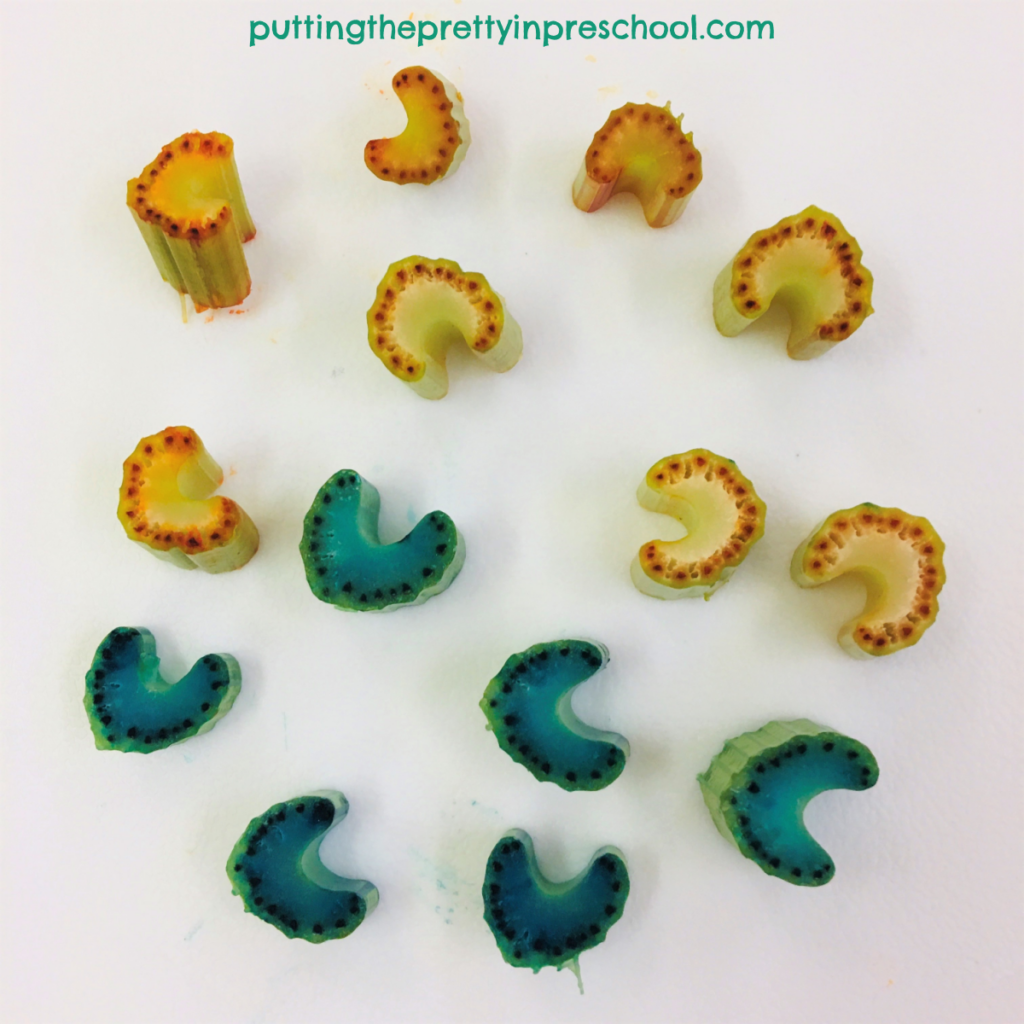
The little dots on these celery slices are xylem tubes.

The colored dots on these celery slices are xylem tubes that transport water.

_______

Color change in celery as a result of adding food coloring to the water.

_______

[Read more…] about Celery Science Experiment
Tweet
Share
Share
Pin

Filed Under: autumn, gardening, science, sensory, trees Tagged With: celery, color, experiment

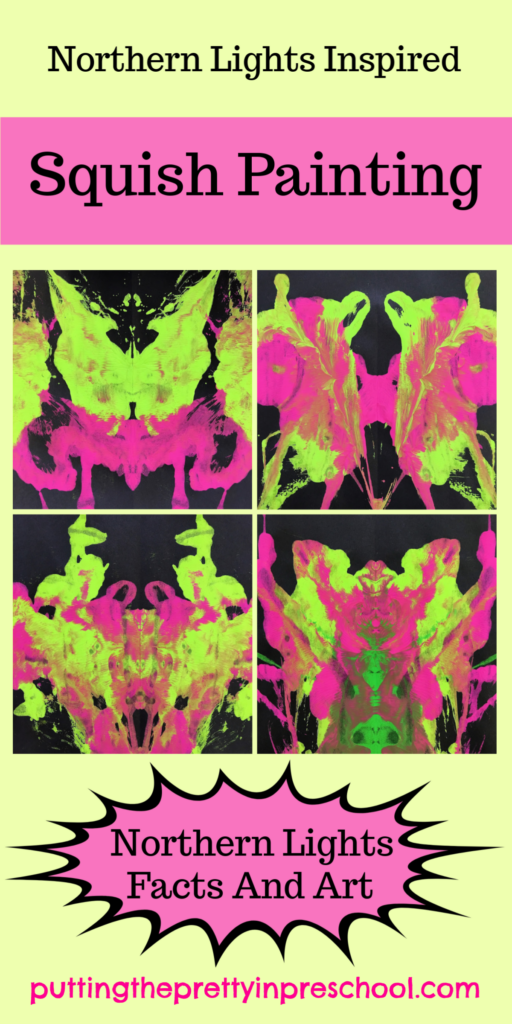
Northern Lights Squish Painting

July 22, 2020 by Annette Kaminsky Leave a Comment

Tweet
Share
Share
Pin
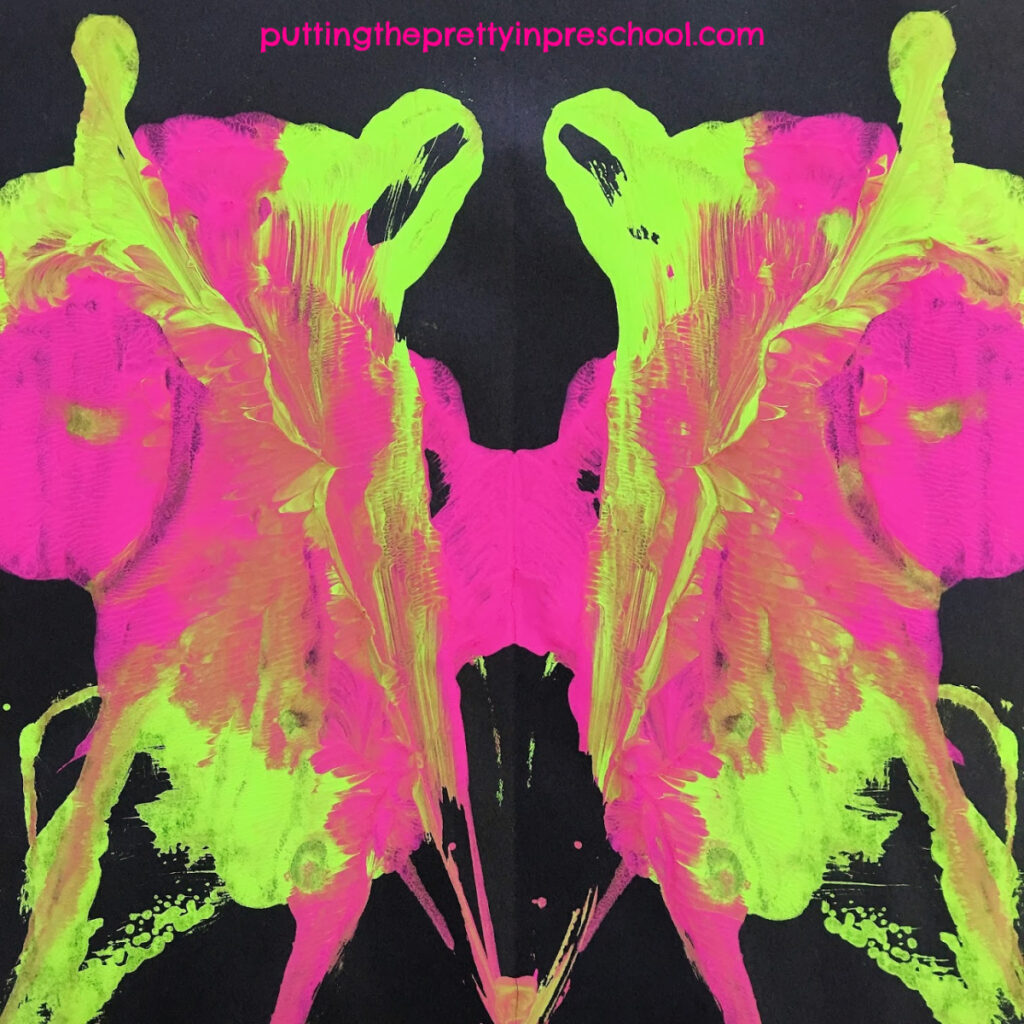
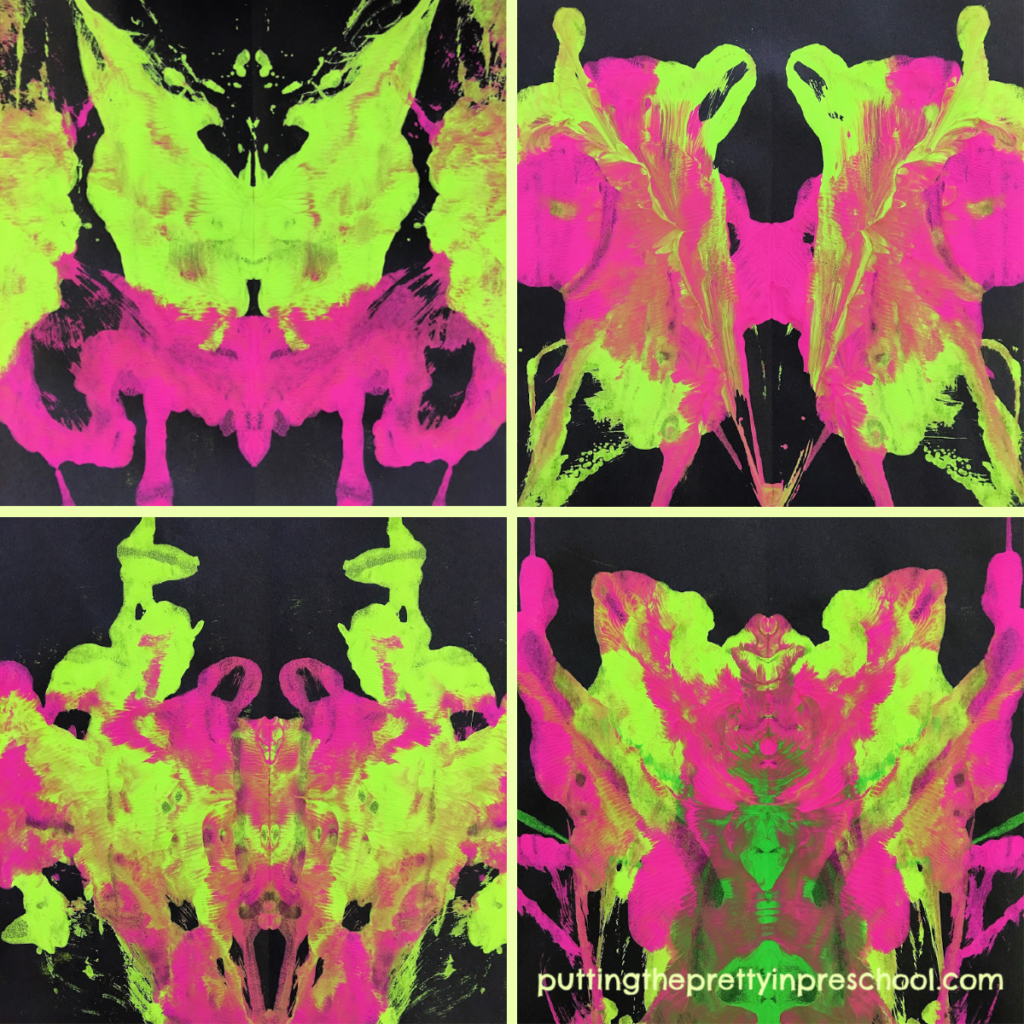
Northern lights inspired squish and string painting. Facts about northern lights included. An all-ages art activity to celebrate nature's dazzling light show.

_______

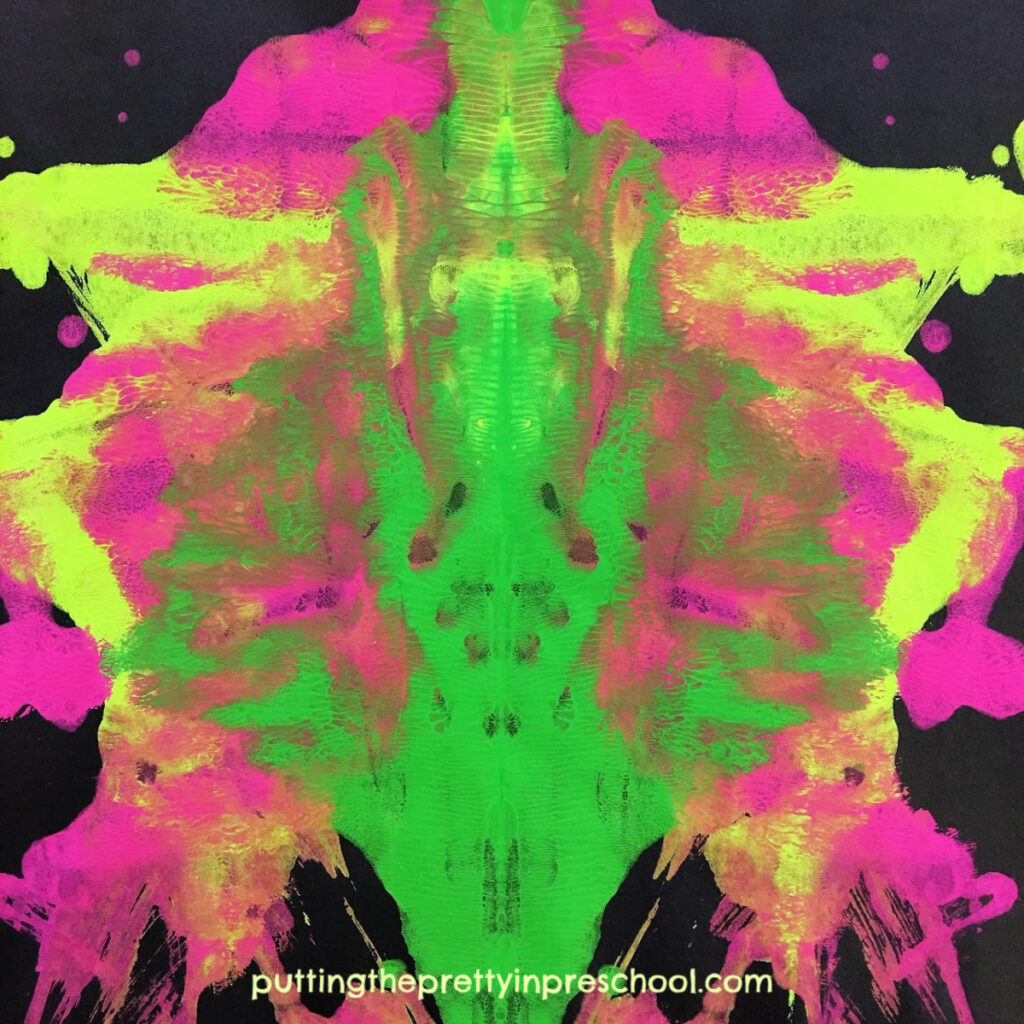
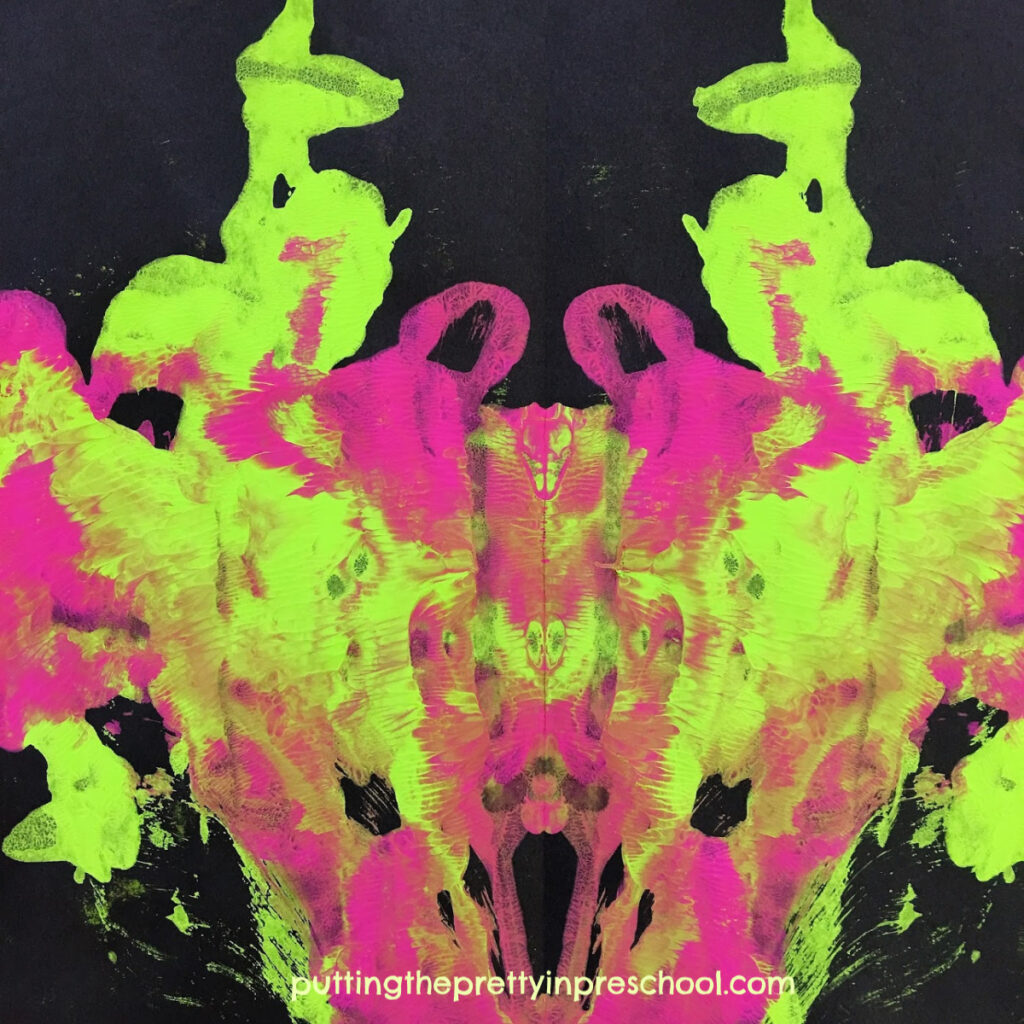
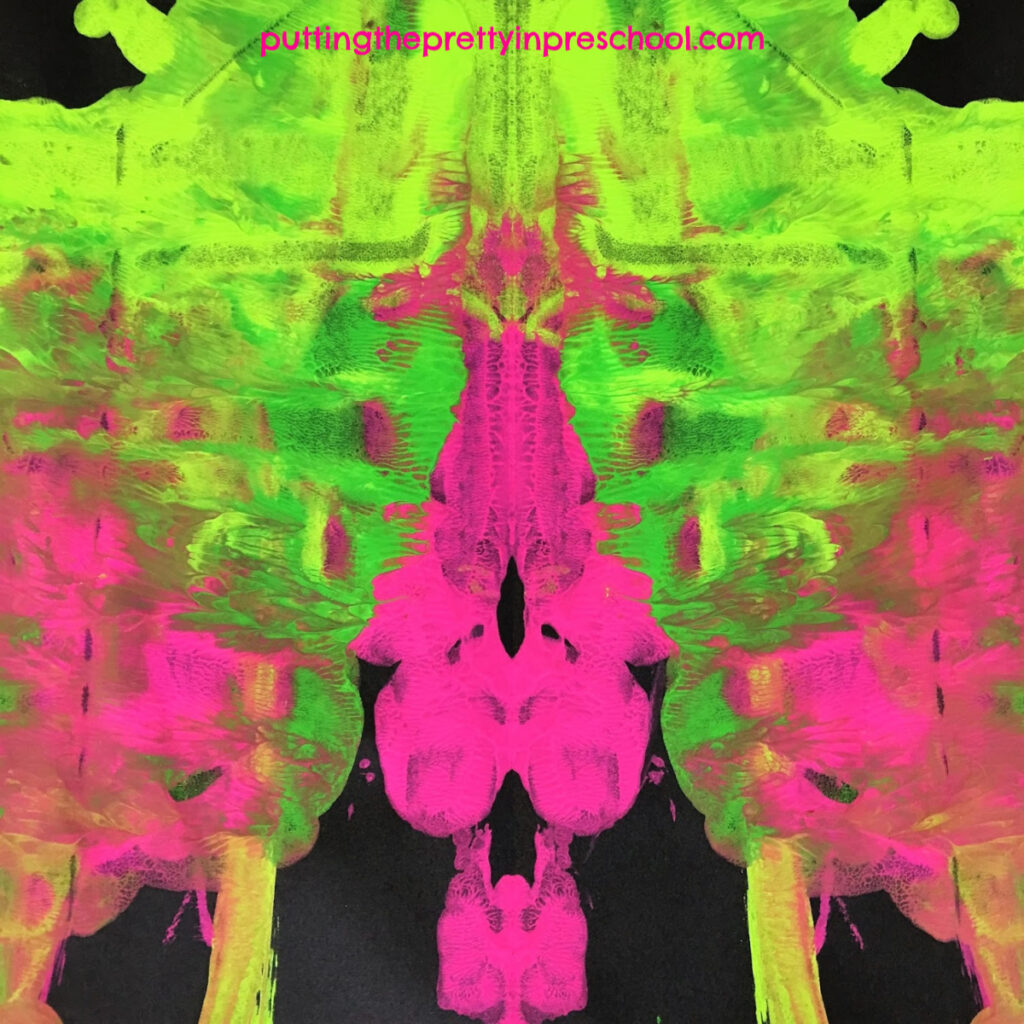
Northern lights, or auroras, are nature’s majestic light shows sent from the heavens to earth. They are spectacular to view and stunning in photographs or art.  A northern lights squish painting project celebrates the vibrancy and uniqueness of this natural light display.

_______

Ten Facts About Northern Lights

  • Northern lights are dazzling neon light shows visible in night skies.
  • Electrically charged particles from the sun interact with gases in the earth’s atmosphere to produce the auroras.
  • Charged particle collisions with oxygen in the upper atmosphere cause green dominant auroras; collisions with nitrogen in the slightly lower atmosphere cause blue or purple-red auroras.
  • Northern lights can also showcase pink, blue, orange, or yellow colors.
  • The dancing lights are seen over 200 nights a year in northern skies.
  • There are different kinds of northern lights. They can display as arcs, shooting rays, coronas, or patchy and pulsating lights.
  • Remote northern places with clear, dark nights are optimum aurora viewing locations.
  • Yellowknife, NWT, and Fairbanks, Alaska are two prime locations for observing northern lights.
  • The best time to see auroras is from October to May.
  • Northern lights can occasionally be seen from airplanes, especially on polar flights.

_______

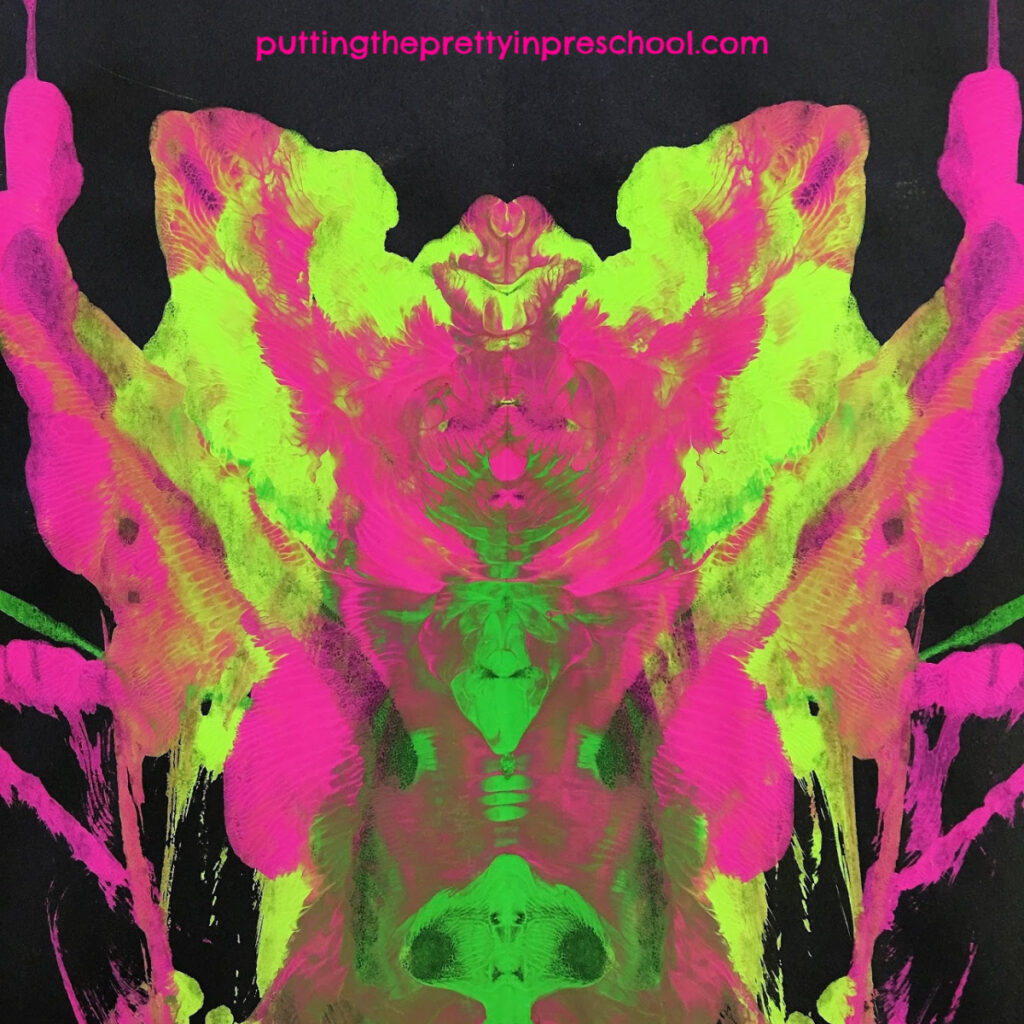
A squish and string painting art project. An all-ages art activity that is northern lights inspired.

_______

Northern Lights Squish Painting Art Activity

This art activity is inspired by the colors and shapes of northern lights.

Materials To Collect:

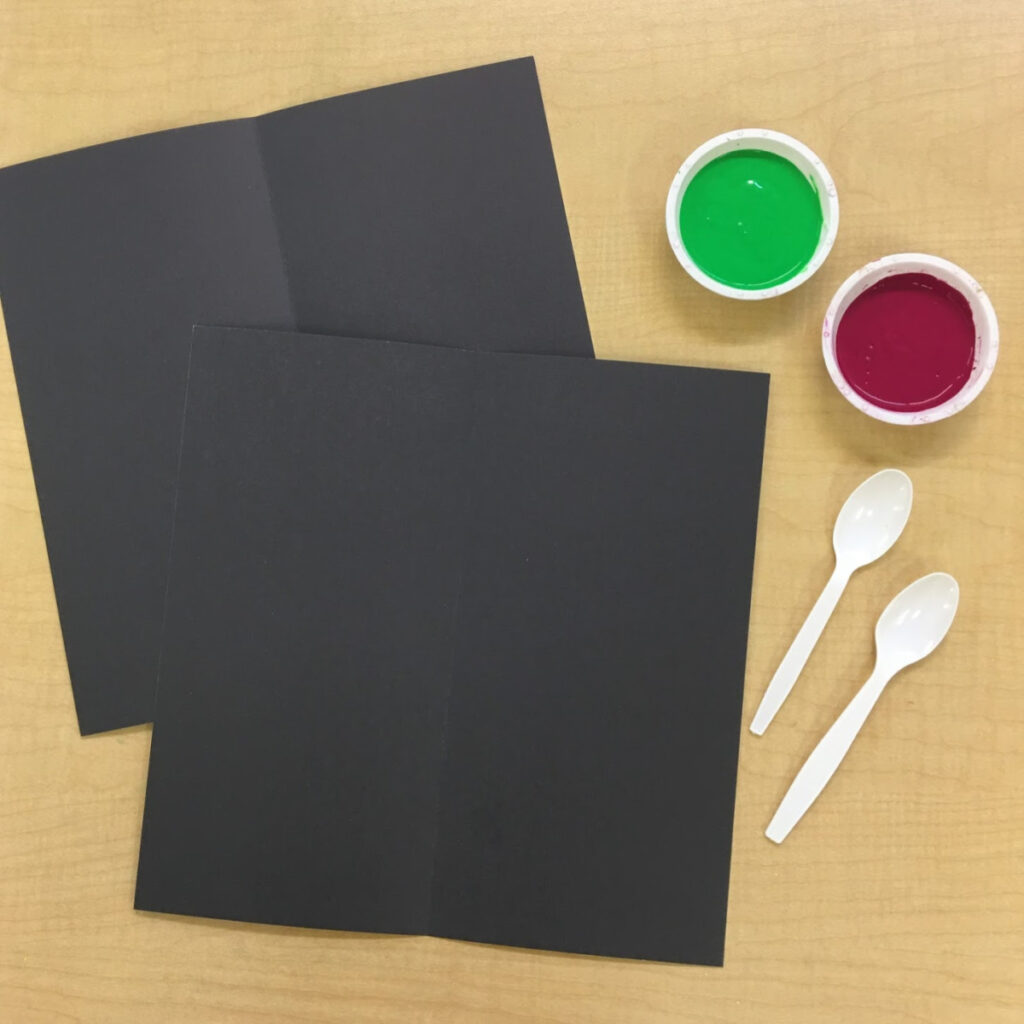
  • 12 x 12 pieces of black fade-resistant construction paper
  • bright green and magenta tempera paints
  • paint containers
  • disposable plate
  • spoons
  • long pieces of string or yarn

_______

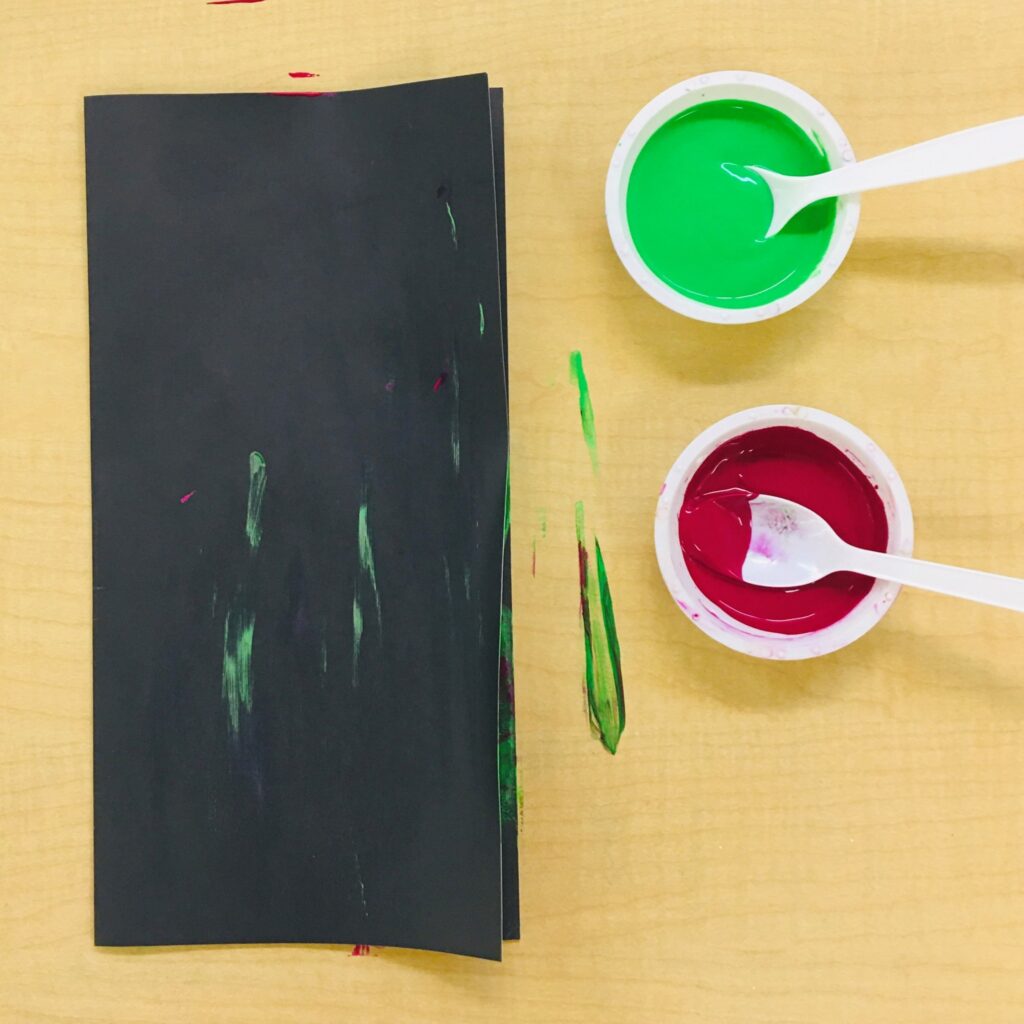
Fold 12-inch by 12-inch pieces of black construction paper in half. Set out bright green and magenta tempera paints.

Invitation to paint northern lights with a squish painting technique.

_______

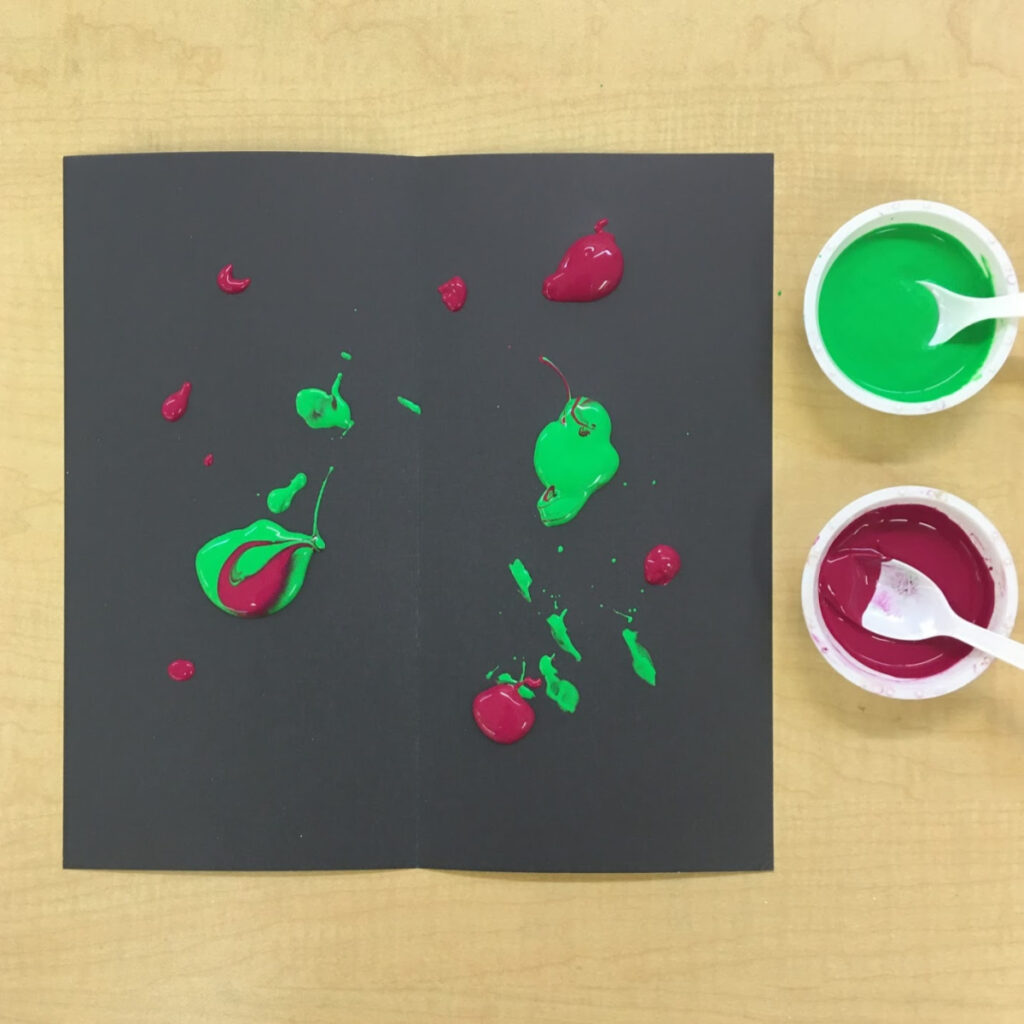
Invite your child to spoon both paint colors onto the paper.

Invitation to paint northern lights with a squish painting technique.

_______

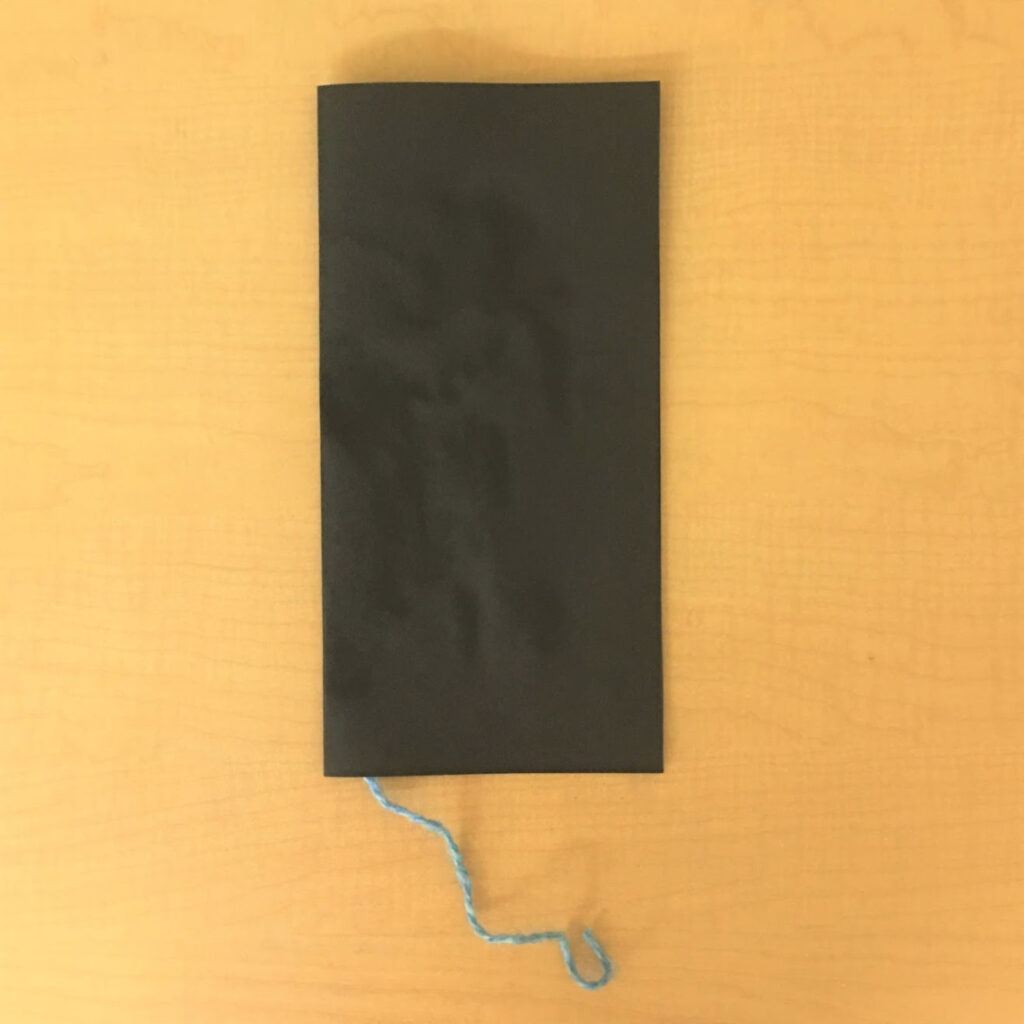
Ask your early learner to fold over the paper and rub a hand over it.

Invitation to paint northern lights with a squish painting technique.

_______

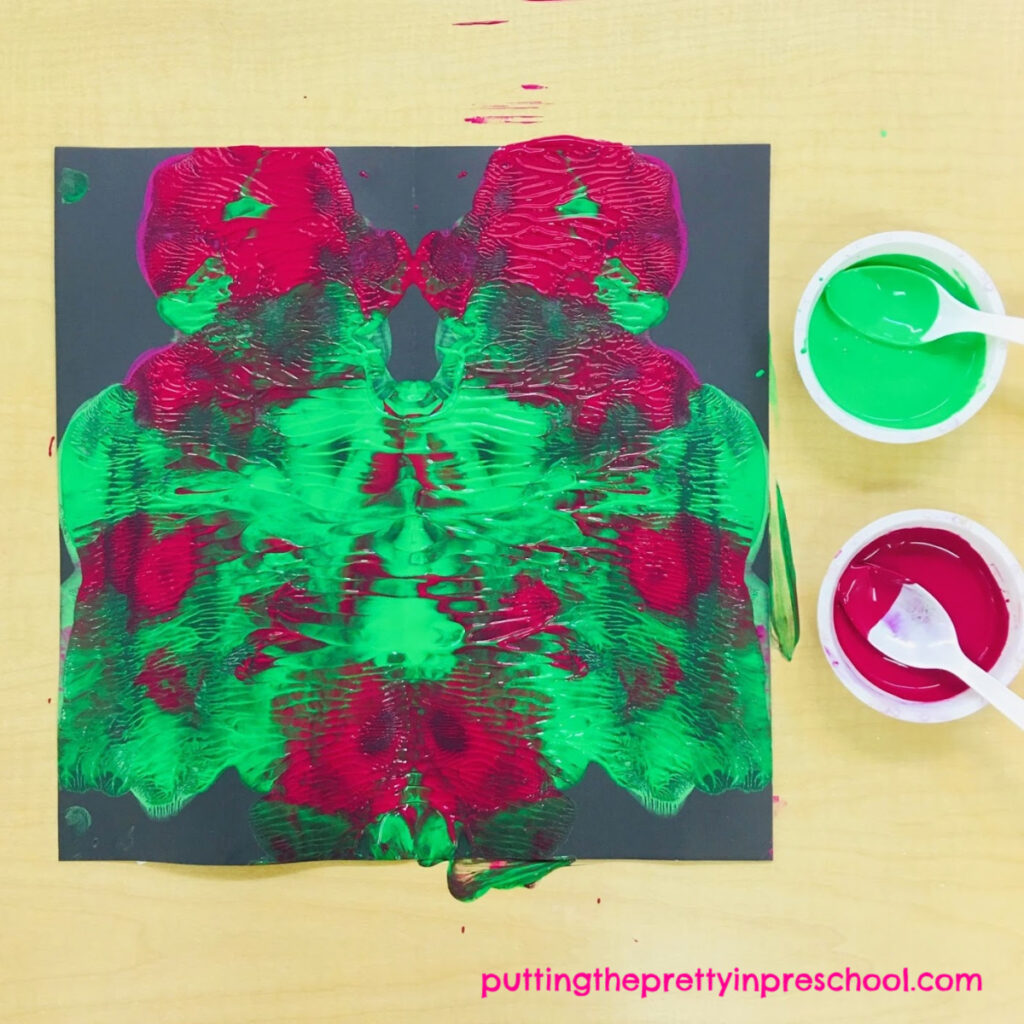
Encourage your child to open the paper and admire the art. It is always exciting to see the designs created.

A finished squish painting art project ready to let dry. An all-ages art activity that is northern lights inspired.

_______

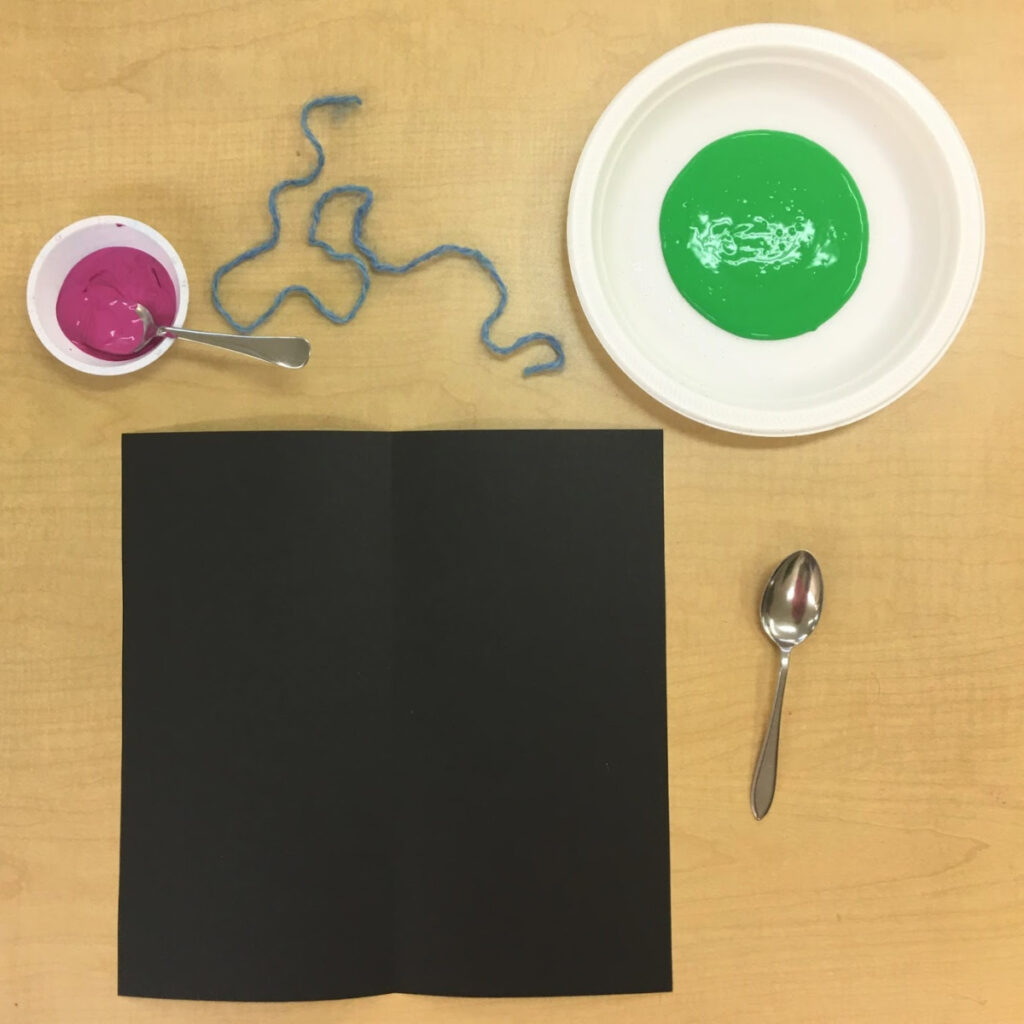
Offer string to add interest to the art activity.

Invitation to paint northern lights with a squish and string painting technique.

_______

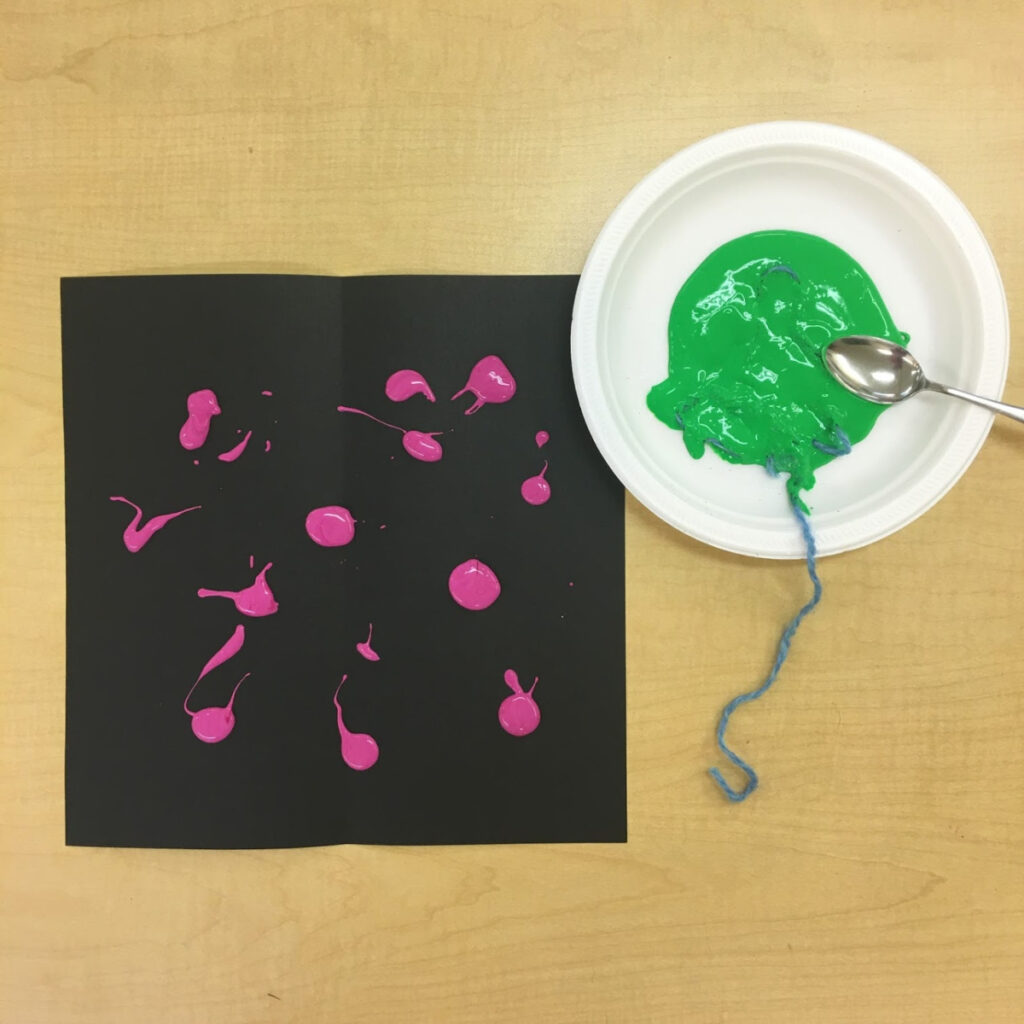
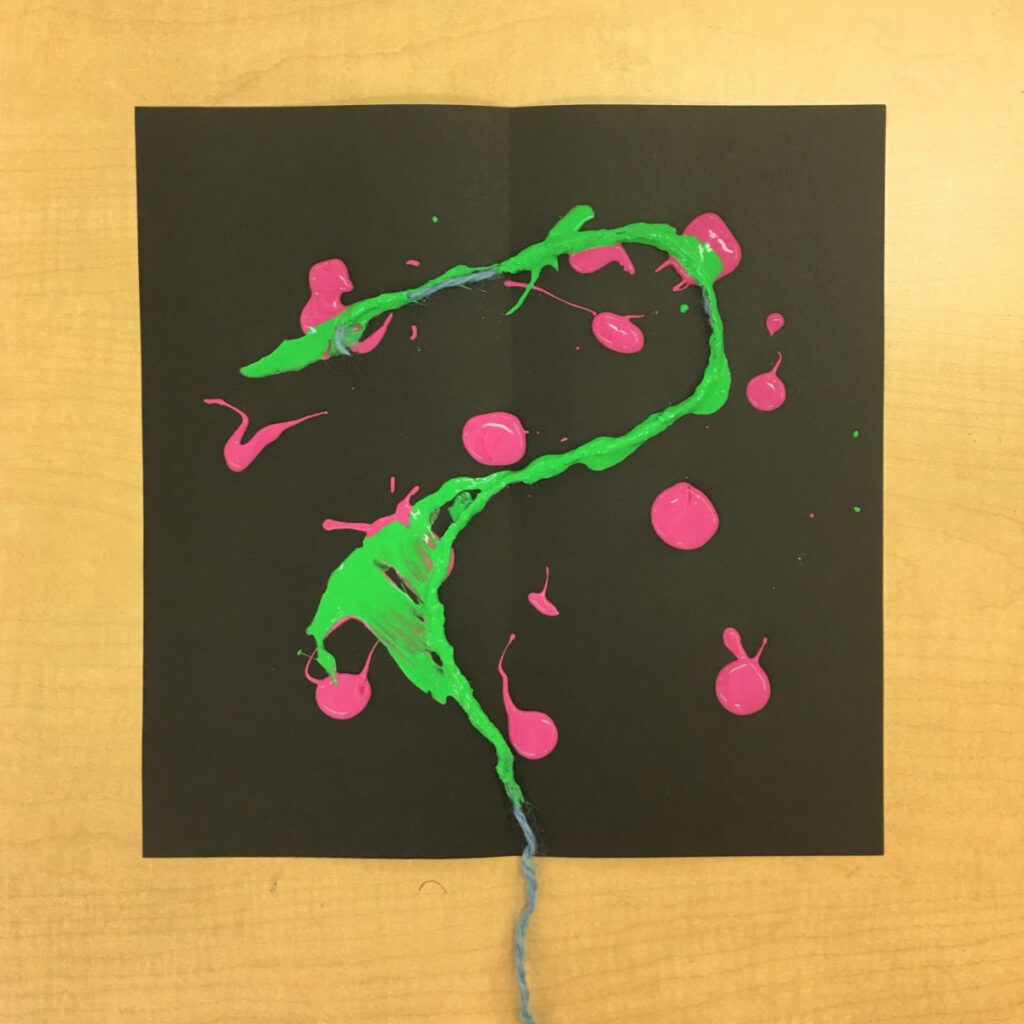
Ask your little learner to drop magenta paint onto the paper, and lay a string in green paint. Pressing over the string with a spoon is helpful to make sure the string is paint-soaked.

Invitation to paint northern lights with a squish and string painting technique.

_______

Next, ask your child to lay the string on the paper in a serpentine shape.

Invitation to paint northern lights with a squish and string painting technique.

_______

With one hand lightly on the folded paper, have your child pull out the string slowly and carefully.

Invitation to paint northern lights with a squish and string painting technique.

_______

The art will be stunning.

Northern lights inspired squish painting with bright paints and a string. An all-ages art activity,

_______

View a Northern Lights Squish Painting video tutorial.

Northern lights inspired squish painting art project with bright green and magenta tempera paints. An all-ages activity to celebrate nature's light show,

_______

_______

Northern Lights Paint Project Variations

The paint colors can be adjusted. A bit of yellow can be added to green paint to add vibrancy, and a drop of white can be added to magenta paint to brighten it.

Paint colors can be varied by introducing turquoise, red, or pink.

A longer string can be used.

Paint can be dripped and paint-soaked string can be applied more than once on each art project.

_______

A squish and string painting art project. An all-ages art activity that is northern lights inspired.

_______

A squish and string painting art project. An all-ages art activity that is northern lights inspired.

_______

A squish and string painting art project. An all-ages art activity that is northern lights inspired.

_______

Northern lights add ambiance to long, dark, cold northern winters. They add excitement to camping trips or backyard wiener roasts. They are a spectacular subject for art projects.

_______

Squish and string painting art projects. This is an all-ages art activity that is northern lights inspired.

_______

[Read more…] about Northern Lights Squish Painting
Tweet
Share
Share
Pin

Filed Under: art, preschool, science Tagged With: Arctic, light, northern lights, painting

Reptile Theme Activities
May 4, 2020 by Annette Kaminsky 7 Comments

Tweet
Share
Share
Pin
Reptile-themed art. science, small world, and pretend play activities for early learners. Topics include snakes, turtles, and lizards.
_______

A Reptile Theme is THE WAY to encourage early learners to get more comfortable with animals such as snakes, lizards, and turtles. Little ones often have a fear of these animals, partly because of how they get depicted on television. Hands-on activities alleviate fear and encourage an interest in learning more about these creatures.
_______

Reptile Pet Store

An effective way to introduce a reptile theme is to set up a pet store pretend play center. Collect the following and display them on shelves and tables gathered for the store:

  • snake. lizard, turtle, frog, and insect figurines
  • baskets and cages
  • cash register and play money

_______

Reptile Store pretend play center. Snakes, lizards, turtles, frogs, and insects for sale.

_______

At first, your early learners may say they are afraid of animals such as snakes, lizards, and turtles. But after playing in the store and organizing, buying, and selling the animal figurines, they will warm up to them.

_______

Geometric Shape Snake Craft

Geometric shapes snake craft suitable for all ages.

_______

Cut out large, winding snakes from 12-inch x 18-inch pieces of construction paper.

Paper punch circles, squares, triangles, ovals, stars, and hexagons from bright colored cardstock.

Ask your little learners to use glue sticks to attach shapes to the snakes. Offer tiny sticker eyes for a finishing touch.

Purchased sticker foam shapes would also work well for this craft.

Geometric shapes snake craft suitable for all ages.

_______

Mounted together, these snakes make a dynamic display.

_______

Beaded Snakes

Early learners love using craft supplies like pony beads.

Offer pipe cleaners and a variety of pony bead colors.

A colorful selection of pony beads.

_______

Invite your early learners to string bead colors of choice on the pipe cleaners. Wrap the ends around the first beads so the rest will stay in place. Ask your little ones to stop stringing beads about 4 cm from the other end of the pipe cleaners.

Set the snakes aside and add beads to make the snake heads. Glue on tiny craft eyes.

_______

Pony bead snake replica of a sedge viper.

_______

Showing photos of real snakes and discussing their colors and patterns encourages little learners to bead a patterned snake of their own.

Pony bead replicas of a sedge viper, butter corn snake, and Arizona mountain kingsnake.

_______

Painted Turtle And Lizard

Set out this two-ingredient taste-safe paint in red, green, yellow, and blue colors.

You will need: white corn syrup and food coloring.

Pour corn syrup into paint containers. Stir in a little food coloring. Add a paintbrush to each color.

Cut out cardstock lizards and turtles. Feel free to download the turtle printable below.

Allow your little learners to paint them.

Lizard decorated with taste-safe paint. An all-ages craft.

_______

Turtle decorated with taste safe paint. An all-ages art activity.

_______

Turtle template for art and craft activities.

_______

Turtle PrintableDownload

This printable is for individual or one classroom use only.

_______

This craft needs generous time to dry. It also looks stunning displayed.

_______

Reptile Sensory Tub

Reptile small world with snakes and lizards, and animals they feed on.

_______

This sensory tub is sure to delight your little ones. It includes:

  • leaves and a play grass base
  • rocks and wooden pieces
  • snake, lizard, frog, and insect figurines
Reptile small world with snakes and lizards, and animals they feed on.

_______

Wildlife Worker Photo Op

Hang up a treed party backdrop and set up a table with hats, snakes, and lizards nearby. Ask your little learners to pick a few props and stand against the backdrop. Take lots of photos.

Reptile-themed photo-op props.

_______

Wildlife Worker Prop Box

Use the photo op props shown above, and add eggs, gloves, binoculars, and pails. Set all items in a prop box for your early learners to use during play.

Reptile-themed prop box toys for pretend play.

_______

Family Night

An epic way to end the Reptile theme is to plan a potluck supper family night:

  • Display art projects on the walls.
  • Create a spot for a Wildlife Worker Photo Op.
  • Set out Snakes And Ladders-themed paper placemats, dice, and game chips on the dinner tables.
  • Assemble plants and beaded snakes in vases for table decor.
Pony bead replica of a burrowing asp snake used in table decor.

_______

  • Enjoy a potluck meal together.
  • Hire a guest to give a live animal presentation (that includes a snake and lizard) afterward. Having explored the topic of reptiles in a variety of ways, early learners are more receptive to being near live ones.

_______

Locally, Butterfly Wings n’ Wishes gives wonderful animal presentations.

_______

This reptile theme allows children to participate in engaging, non-threatening activities that help them gain knowledge about snakes, lizards, and turtles. As a result, they value these animals more.

_______

[Read more…] about Reptile Theme Activities
Tweet
Share
Share
Pin

Filed Under: art, pretend play, reptiles, science Tagged With: family, lizards, small worlds, snakes, turtles

0ctopus Theme Activities

April 20, 2020 by Annette Kaminsky 2 Comments

Tweet
Share
Share
Pin

This post has been updated to include a free downloadable octopus template.

The octopus is a fascinating creature with no shortage of unique characteristics. The sea animals make a cheery topic for early learning activities. And after learning a few surprising facts about them, your family may even choose one for a pet!

Octopus theme facts, crafts, and small world play. The stunning feature art activity uses kitchen supplies. Art and science fun with learning for all ages.

_______

Follow me on Pinterest for more activities.

_______

Ten Fast Octopus Facts

  • Octopuses have 8 long arms with hundreds of tiny suction cups on them called suckers. Octopuses can feel, smell, and grab food and objects with them. They grow back an arm if they lose one.
  • Octopuses are very smart. They can solve simple puzzles and mazes. They take things apart. They have good memories.
  • Many octopuses prefer living on the ocean floor in deep waters. A few live in shallow waters.

_______

Octopus habitat.

_______

  • Octopuses live alone in dens they make or in shells they squeeze into and pull over themselves. They have no bones in their bodies, so they can fit into small spots.
  • Two large bulging eyes help octopuses see very well.
  • Having blue blood helps octopuses keep warm in colder water.
  • Crawling is the easiest way for octopuses to get around. Their hearts stop beating when they swim, which is much more tiring. They can also crawl on land.
  • Most octopuses are shy and solitary. An exception is the California two-spot octopus, which is not as afraid of people.
  • Octopuses squirt out a blackish, poisonous ink at animals that want to eat them. The ink makes the water dark and irritates the predators’ eyes. It also hurts their sense of smell and taste.
  • Camouflage is their specialty. Octopuses can change color and texture quickly so they look like the plants and rocks around them. They also use color to stand out or communicate with other octopuses. Some hues they can transform into are grey, brown, pink, blue, or green.

_______

California Two-Spot Octopus

Because of its striking eyespots underneath its real eyes, the California two-spot octopus is a standout. In a neutral surrounding, this octopus can look greyish with yellow spots. The false eyes range from lighter to darker shades of blue.

The California two-spot lives in shallow waters, so many people have seen one. This crustacean is friendlier than other octopuses and can make a good pet.

Click here for pictures and an informative article about this well-known octopus.

_______

California Two-Spot Octopus Art

_______

You will need:

  • cardstock paper octopus
  • yellow, blue, and metallic grey dot paint dabbers
  • black permanent felt pen

Trace and cut out a cardstock octopus. Feel free to download the template below to use for the project.

Download this free octopus template for art and craft projects.

_______

Octopus PrintableDownload

_______

Invite your early learner to draw eyes and a smile on the octopus with the felt pen. Ask your little one to decorate the octopus to look like the California two-spot using dot paint dabbers.

_______

Textured Octopus Craft

This painted, shiny pink and yellow octopus has neutral Toasted O’s suction cups.

_______

Octopus art activity using supplies easily found in the kitchen. An all-ages art activity.

_______

Your early learner can decorate a similar one with an easy-to-make, taste-safe paint using kitchen supplies.

Supplies To Collect:

  • white corn syrup
  • food coloring
  • Toasted O’s cereal
  • baby food jars
  • paintbrushes
  • spoons
  • cardstock paper octopus
  • black permanent felt pen
Invitation to paint an octopus with taste safe paint. An all=ages activity.

_______

Cut out an octopus pattern and ask your early learner to draw on a smile with the felt pen. (The downloadable octopus printable will work well for this craft too.)

Help your early learner mix a squirt or two of food coloring into a little white corn syrup poured into baby food jars.

Invite your little one to paint the octopus.

Octopus art activity using supplies easily found in the kitchen. An all-ages art activity.

_______

Afterward, your early learner can push craft eyes and Toasted O’s suction cups into the tacky paint to complete the project.

Octopus art activity using supplies easily found in the kitchen. An all-ages art activity.

_______

View a video tutorial for the Octopus Craft.

Octopus craft using taste safe ingredients.

_______

Octopus Sensory Tub

Your little one can help design and play in this simple sensory tub. The tub is a repurposed flying saucer sled.

Invitation to add cheerios cereal to a painted octopus. All supplies for this craft are easily found in the kitchen. An all-ages art activity.

_______

The sensory tub includes:

  • rocks, shells, and marine plants
  • an octopus figurine
  • other sea creatures such as a sea turtle, crab, and stingray fish
  • transparent gems

_______

Although shy and mysterious in the wild, octopuses have heaps of talent and spunky personalities. Would you consider having one for a pet?

_______

[Read more…] about 0ctopus Theme Activities
Tweet
Share
Share
Pin

Filed Under: art, ocean, science, sensory Tagged With: ocean, octopus, painting, tastesafe, water play

  • « Go to Previous Page
  • Page 1
  • Interim pages omitted …
  • Page 14
  • Page 15
  • Page 16
  • Page 17
  • Go to Next Page »

Primary Sidebar

Hi, I'm Annette Kaminsky, a preschool teacher who loves sharing learning through play activities for young children. Thanks for visiting my site. Feel free to stay awhile!

Subscribe Via Email

Recent Posts

  • Snowflake Cafe Dramatic Play Set January 19, 2026
  • Pastel Christmas Letterhead and Envelope December 20, 2025
  • December Kindness Activities November 30, 2025
  • Fall Forest Sensory Bin November 30, 2025
  • DIY Turkey Bowling Game November 25, 2025
  • Fall Leaf Crown Paper Crafts November 23, 2025
  • Colors of Fall Sensory Bin October 13, 2025
  • Apple Theme Sensory Tray October 11, 2025
  • Three Dinosaur Sensory Bins September 7, 2025
  • Castle Theme Pretend Play August 26, 2025

Categories

Topics

apples block play bunnies butterflies Chinese New Year Christmas Christmas craft color colors dramatic play Easter fall flowers hearts holiday leaves leprechauns light table loose parts painting paper crafts playdough pretend play printables printmaking process art pumpkins rice bin scented playdough science experiment scissor skills sensory bin sensory play sensory tray shamrocks skeletons snakes snowflakes spiders spring St. Patrick's Day sunflowers tablescapes Valentine's Day water play

Copyright © 2026 · Lifestyle Pro on Genesis Framework · WordPress · Log in